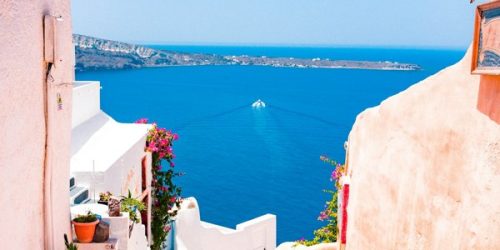
Best Time to Visit the Faroe Islands: Season by Season
The Faroe Islands get rain on roughly 280 days per year. Visitors still come back — often more than once. The reason is not despite the weather but partly because of it. Mist draped over the Vestmanna sea stacks, waterfalls swollen after three days of Atlantic rain, a particular grey-green light that exists nowhere else on earth. Knowing when to visit does not mean avoiding the weather. It means understanding what each season actually delivers.
The islands sit at 62°N — the same latitude as Anchorage, Alaska — yet the Gulf Stream keeps coastal temperatures mild year-round. The range between the coldest and warmest month is only around 10°C. What swings dramatically is daylight, from five hours in December to over twenty in June. That single variable shapes trail access, ferry schedules, wildlife windows, and crowd levels more than temperature ever does.
Month-by-Month Conditions: What the Numbers Actually Show
The table below reflects realistic averages. The Faroe Islands are notorious for hyperlocal weather — sunshine on one hillside while the next island disappears into cloud. These numbers describe trends, not guarantees.
| Month | Avg Temp (°C) | Daylight Hours | Tourist Crowds | Trail Access | Key Detail |
|---|---|---|---|---|---|
| January | 3–5 | 6 | Very low | Limited | Cheapest flights and rooms; storm season |
| February | 3–5 | 8 | Very low | Limited | Northern lights possible on clear nights |
| March | 4–7 | 11 | Low | Partial | Days lengthening fast; fewer severe storms |
| April | 5–9 | 13 | Low–moderate | Partial | Puffins return to Mykines (late April) |
| May | 7–11 | 16 | Moderate | Full | Best shoulder month overall |
| June | 9–14 | 20+ | High | Full | Near-midnight twilight; peak photography light |
| July | 10–16 | 19 | Peak | Full | Warmest month; Olavsøka Festival (28–29 July) |
| August | 10–15 | 16 | High | Full | Puffins leave late August; autumn beginning |
| September | 8–13 | 13 | Moderate | Full | Autumn colours; noticeably fewer tourists |
| October | 6–10 | 10 | Low | Partial | Storm season resumes; dramatic coastal seas |
| November | 4–7 | 7 | Very low | Limited | Northern lights return; guesthouses quiet |
| December | 3–5 | 5 | Very low | Limited | Christmas atmosphere in Tórshavn’s old town |
Two things the table does not capture: first, “full trail access” does not mean all trails are safe. The exposed ridge walk to Kallur Lighthouse on Kalsoy is manageable in September but genuinely hazardous in the wind speeds the islands see regularly from October through March. Second, “partial” access in April or October means village-level paths are mostly fine, while technical ridge routes and long coastal paths carry meaningful risk.
Atlantic Airways operates year-round services from Copenhagen, London Heathrow, and Edinburgh, with summer adding charter routes from several European cities. The Smyril Line ferry from Hirtshals, Denmark takes 36 hours but works well as a budget option — and covers one of the more dramatic ocean crossings in the North Atlantic. Check both options when planning, since ferry fares for a car plus passengers in shoulder season can undercut the total cost of flying and renting locally.
Accommodation is the other planning constraint the table misses. The islands have fewer than 3,000 hotel beds across all eighteen islands. In peak summer that supply runs thin across all price points, not just premium hotels. Build accommodation lead time into your month selection as much as weather preference.
Why May and September Beat July for Most Visitors
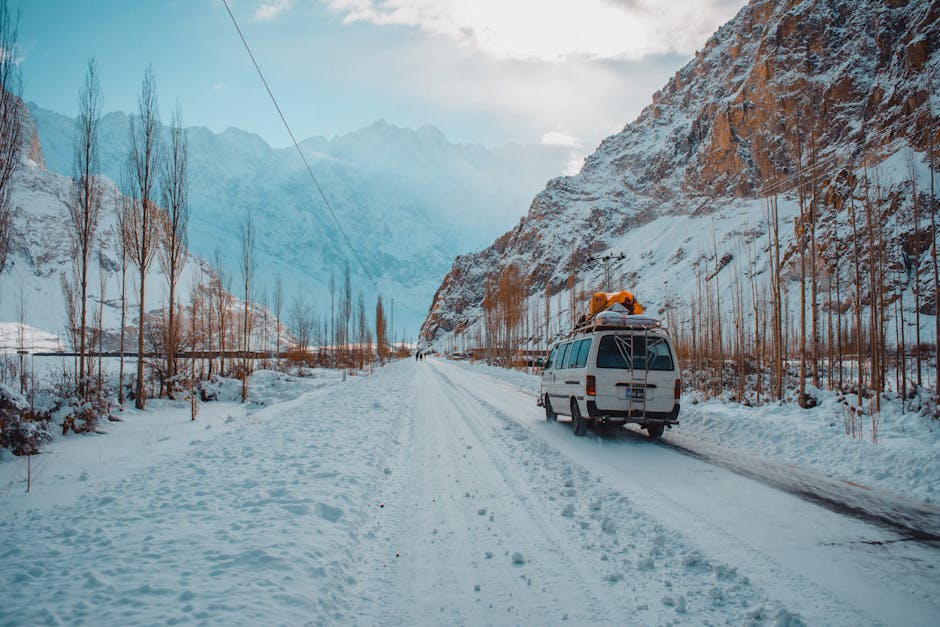
July is the most visited month. That does not make it the best month.
The guided hike to Sørvágsvatn — the lake famous for its optical illusion making it appear to float above the ocean — became a mandatory paid experience in 2019 to manage visitor pressure. Slots book through Dúvugarðar farm at the trailhead. In July they go weeks in advance. In late May, a few days’ notice is usually enough. That difference alone changes how flexibly you can plan each day.
Hotel Foroyar, the most-recommended hotel in Tórshavn with its elevated views over the capital, fills for July dates as early as February and March. Hotel Tórshavn in the city centre follows the same pattern. Guesthouses in smaller villages like Tjørnuvík and Leynar — often the most memorable places to stay — go even faster because supply is so thin. A May or September visit does not eliminate booking pressure entirely, but it reduces it substantially.
May gives you everything July does at lower cost and lower density. Puffins arrived in late April and are fully active on Mykines and the cliffs above Nólsoy. All trails are open. Daylight stretches to 16 hours — long enough for full-day hikes with evening light still left over. Temperatures run between 7°C and 11°C, which requires a proper windproof layer but is genuinely comfortable for sustained walking. Accommodation prices run 20–30% below July rates at most guesthouses and smaller hotels.
September makes a strong case for different reasons. Crowds thin noticeably after late August. The landscape changes character — russet grass, amber hillsides, full waterfalls after autumn rain. The Múlafossur waterfall at Gásadalur, which plunges directly into the Atlantic, hits its peak flow after heavy September rainfall and looks nothing like the summer version. Trail access holds through most of September before the October storms begin tightening things down.
The one clear exception where July earns its premium: the Olavsøka Festival on 28–29 July. The Faroese national holiday brings rowing races in Tórshavn harbour, traditional music, and the formal session of the Løgting parliament. The islands feel genuinely celebratory in a way that is not replicated at any other point in the year. If that cultural experience is a priority, July is the only option.
June sits in its own category. The near-midnight twilight — the islands do not get true midnight sun but light persists until around 11:30pm — creates golden-hour photography conditions that no other month can match. For photographers, June is the correct choice regardless of crowds or booking difficulty. The quality of light in June compensates for everything else.
Experiences Locked to Specific Months
Season does not just affect comfort level. Some things are simply unavailable outside certain windows.
- Puffin watching, Mykines island: Late April to mid-August only. The passenger ferry from Sørvágur takes 45 minutes and runs daily in summer weather. The cliff path at Mykines Holmur gives close access to nesting burrows in a way few European locations can match. By September the birds are gone until the following April.
- Sørvágsvatn guided lake hike: May through October. Off-season access is blocked by the farm managing the route. Book the slot online at least a week out between June and August — same-day booking is rarely possible in peak months.
- Kallur Lighthouse hike, Kalsoy island: Safe hiking window is May to September. The Kalsoy ferry runs a reduced winter timetable, and the exposed ridge section of the trail is dangerous at the wind speeds that arrive regularly from October onwards.
- Northern lights: October through March, when nights are dark enough. The Faroe Islands have minimal light pollution outside Tórshavn. Cloud cover is frequent in winter, but a clear February night with aurora activity is genuinely spectacular. Apps like Space Weather Live help track activity windows.
- Vestmanna boat tours (sea stacks and bird cliffs): Most operators run May through August, with a few extending into September. Winter tours exist but are rare and subject to cancellation. Book at the harbour in Vestmanna or through Tórshavn guesthouses.
- Olavsøka Festival: Fixed annually to 28–29 July. No flexibility on dates.
Storm-watching in October and November is a genuine niche worth acknowledging. The seas off the western coasts reach heights in autumn storms that summer visitors never see — waves crashing over the sea stacks at Vestmanna and the western cliffs of Vágar at a scale that barely fits a camera frame. This is specialist travel. Short days, probable weather delays, limited activity options. But if you want the Faroe Islands at their most raw and dramatic, that is the window.
Winter Is Worth It for Exactly One Type of Visitor
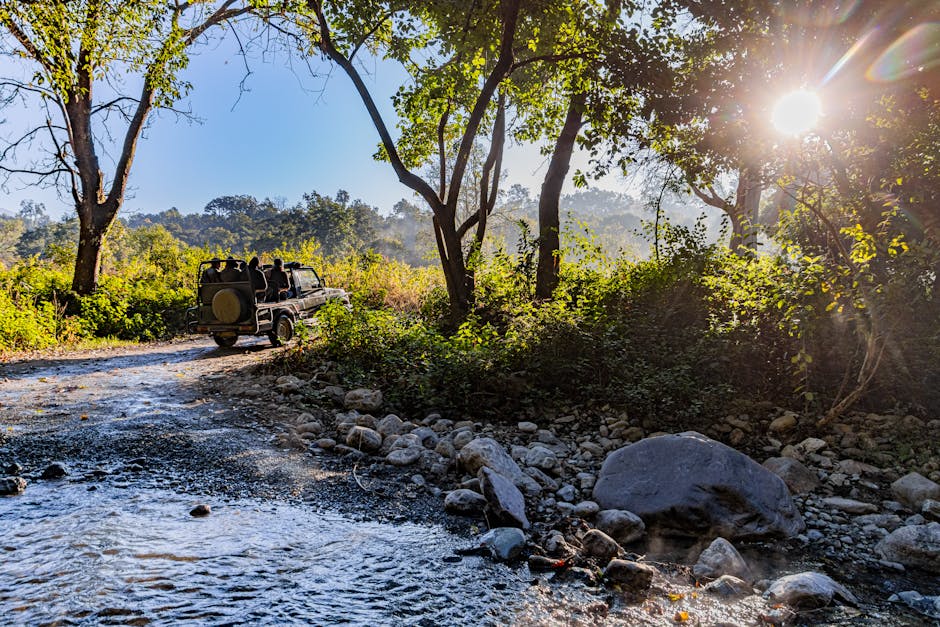
Five hours of daylight. Regular storms. Most guided experiences closed. Reduced ferry access to outer islands. For a first visit, a winter trip is an inefficient use of long-haul travel — you will spend real portions of it weather-bound, waiting for conditions that may never improve in a short trip window.
The exception is the experienced northern-latitude traveller: a photographer or aurora hunter with ten or more days, a completely flexible itinerary, and no attachment to a fixed daily plan. The midday winter light on the Faroe Islands — low sun angles, mist across the fjords, occasional snow dusting the higher peaks — has a visual quality that summer cannot replicate. The reward is real. So is the overhead. Come back for winter once you know the islands well enough to improvise around them.
The Clear Recommendation: Two Booking Windows
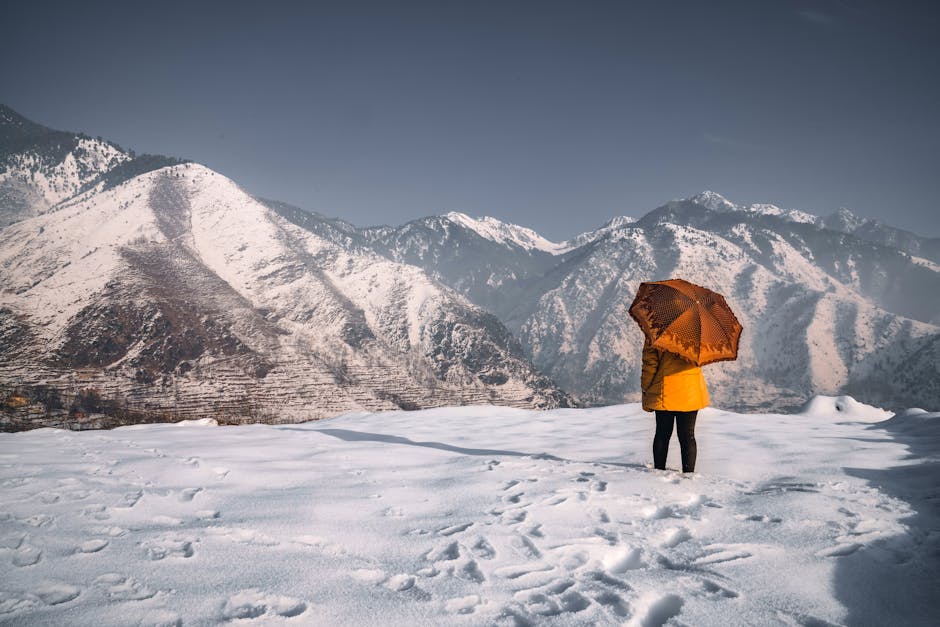
First pick: late May to mid-June
This is the right window for most first-time visitors. Puffins are present and active. All major trails are open. Daylight is long without the congestion of peak July. Accommodation is bookable two to three months out in most cases rather than requiring six-month lead times. A week in this window covers the Mykines ferry crossing, the Kalsoy ridge hike to Kallur Lighthouse, the Sørvágsvatn lake trail, a day in Tórshavn’s old timber-clad streets, and a dinner at Barbara Fish House or Ræin down in the harbour area — without the daily slot-booking competition that July introduces into every single activity.
Pack a windproof, waterproof outer layer regardless of the forecast. The Faroe Islands have a saying that translates loosely as “if you don’t like the weather, wait twenty minutes.” That applies equally in May and July. The difference is that in late May you are less likely to be sharing that weather with hundreds of other visitors at the same viewpoint.
Second pick: first three weeks of September
Best for those who missed the spring window, want autumn colour, or are working with a tighter accommodation budget. The trade-off is losing the puffins (mostly gone by mid-September) and accepting shorter days and a smaller activity menu. The gain is a version of the Faroe Islands that looks genuinely different from summer photographs — darker greens, amber hillsides, heavier waterfalls — and a quieter, more local atmosphere across the islands.
When to reconsider: December through March for a first trip
Not a verdict against winter travel — it is a verdict against winter as a first trip. Return in winter once you know the islands and can plan around conditions with experience. The visual reward exists. The logistical overhead for a newcomer is high enough to reduce the actual experience substantially.
The Faroe Islands have expanded their formal trail management and mandatory reservation systems significantly since 2026, and that list of managed sites is likely to grow. Check Visit Faroe Islands — the official tourism body — for current booking requirements before finalising any itinerary. Access rules in place now may look different within a few years, and travel blog posts (including this one) go stale faster than the official site does.