Marrakech Vs Fes Culture: Marrakech vs. Fes: Stop Choosing the Wrong Moroccan City for Your Trip
Most culture buffs assume Marrakech is the obvious choice. It’s the city everyone talks about, the one with the famous square, the one splashed across Instagram. That assumption costs people the exact experience they traveled for. Fes is the older, deeper, and far less polished cultural heavyweight. Marrakech is the spectacle. If you want to feel like you’ve stepped back 800 years, the answer isn’t what the tourist brochures suggest.
I’ve spent weeks in both cities. I’ve gotten lost in both medinas. I’ve been scammed in one and left alone in the other. This comparison isn’t about which city is “better” in some abstract sense. It’s about which one delivers the specific cultural experience you actually want—and which one will leave you disappointed if you picked wrong.
The Honest Breakdown: What Each City Actually Offers Culture Seekers
Here’s the thing nobody tells you before you book: Marrakech and Fes are not two versions of the same experience. They’re fundamentally different animals. Marrakech is a performance. Fes is a living museum that doesn’t know it’s a museum.
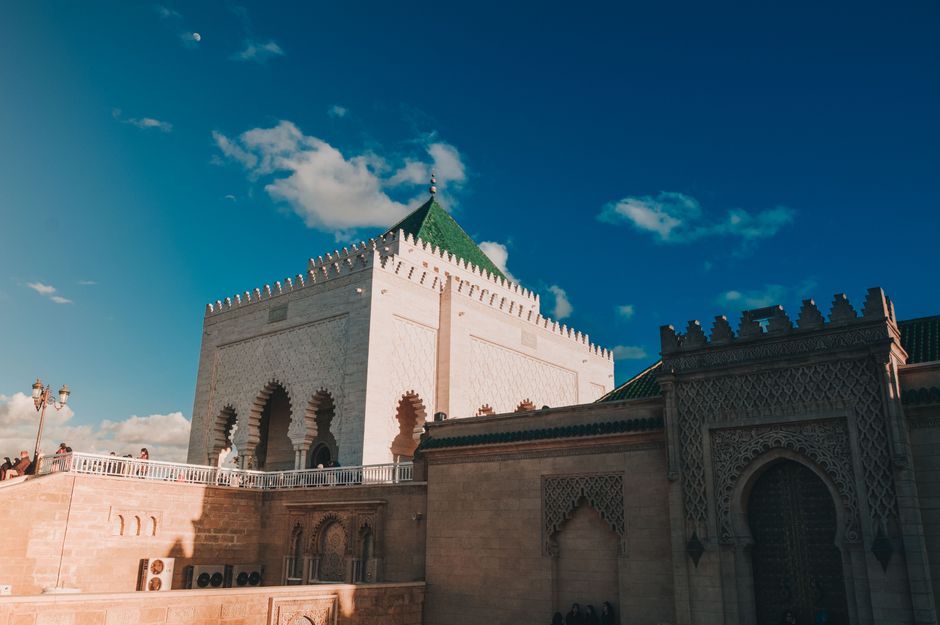
Marrakech gives you the Jemaa el-Fnaa, the snake charmers, the orange juice stalls, the Koutoubia Mosque towering over everything. It’s sensory overload in the best way. But much of what you see is staged for you. The “traditional” performances in the square start when tourists show up. The souks sell more lanterns to foreigners than to locals. The medina is real, but it’s been reshaped by tourism for decades.
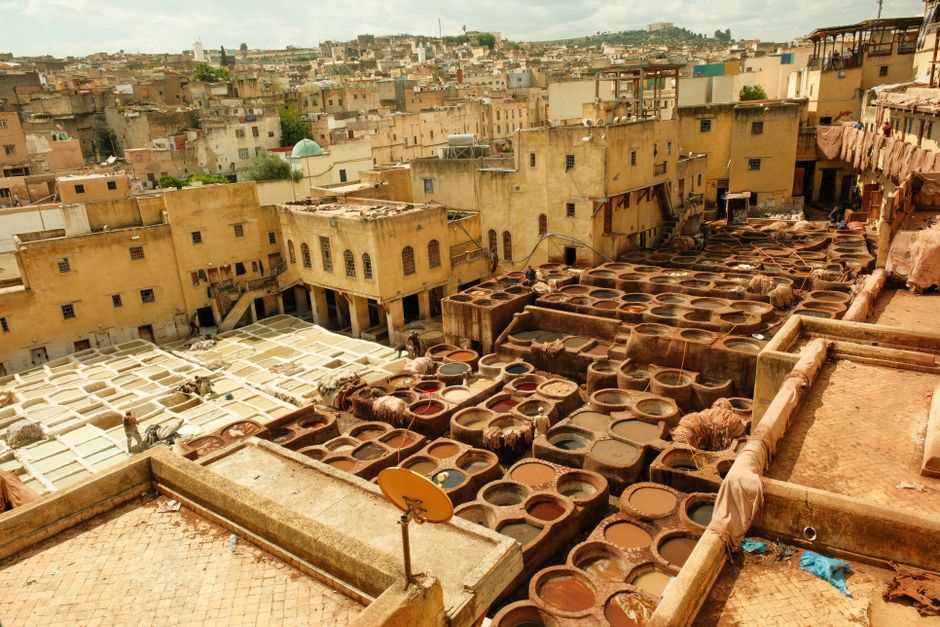
Fes doesn’t perform. The Fes el-Bali medina has roughly 9,000 streets and something like 90,000 people still living and working inside it. Donkeys carry leather through alleys too narrow for cars. The tanneries smell like ammonia and pigeon droppings because that’s what they’ve always smelled like. Nobody is putting on a show. You’re just walking through a functioning medieval city.
For raw, unfiltered cultural immersion, Fes wins. For a more accessible, entertaining introduction to Morocco, Marrakech earns its reputation. The mistake is thinking they’re interchangeable.
Marrakech: The Cultural Highlights That Actually Matter
The Ben Youssef Madrasa is the single best cultural site in Marrakech. It reopened after restoration and the zellij tilework in the central courtyard is genuinely staggering. Entry costs 50 dirhams (about $5). Go at opening time, 9 AM, before the tour groups arrive. You’ll have the place almost to yourself.
The Bahia Palace and El Badi Palace are worth seeing, but they’re more about architecture than living culture. The Saadian Tombs are small and often crowded. The real cultural experience in Marrakech is the Jemaa el-Fnaa at dusk—when the smoke from food stalls rises and the storytellers and musicians set up. It’s chaotic, touristy, and completely unforgettable.
Fes: Where the Culture Is Still Alive
The Al-Qarawiyyin University in Fes was founded in 859 AD. It’s the oldest continuously operating university in the world, recognized by UNESCO and Guinness World Records. Non-Muslims can’t enter the mosque, but you can glimpse the courtyard from the gates. The building alone tells you this city has been a center of learning for over a millennium.
The Bou Inania Madrasa is one of the few religious buildings in Morocco open to non-Muslims. The cedar woodwork and carved stucco are extraordinary. Entry is 20 dirhams. The Chouara Tannery is the iconic Fes experience—you watch workers processing leather the same way they have for centuries. The smell is intense. Bring mint leaves for your nose. The surrounding leather shops hand you sprigs, but buying a small bag of mint at a nearby market for 2 dirhams works better.
Which City Gives You the Real Morocco Without the Tourist Filter?
Fes. Not close.
Marrakech in 2026 is heavily geared toward international visitors. The medina has sections that feel like a theme park version of Morocco. You’ll be approached constantly—guides, shopkeepers, kids offering directions. Some of it is friendly. Much of it is a hustle. That doesn’t make Marrakech bad. It makes it a different experience. You have to work harder to find the real city underneath.
Fes has tourism too, but the scale is different. The medina is so large and so dense that tourists are absorbed into it rather than dominating it. You can walk for 20 minutes and hear no English. You’ll see bakers pulling bread from wood-fired ovens, metalworkers hammering copper, textile dyers with arms stained blue. These aren’t demonstrations. They’re jobs.
The tradeoff: Fes is harder to navigate. The medina is genuinely disorienting. Google Maps struggles with the narrow alleys. You will get lost. That’s part of the experience, but it’s not for everyone. Marrakech’s medina is more manageable and has clearer landmarks. If you want culture with training wheels, Marrakech works. If you want to feel like you’ve traveled somewhere untouched, Fes is the answer.
Practical Comparison: Navigation, Scams, Food, and Day Trips
| Factor | Marrakech | Fes |
|---|---|---|
| Medina navigation | Easier—wider alleys, clearer landmarks, more signage | Harder—9,000+ streets, poor GPS coverage, easy to get lost |
| Scam pressure | High—constant guides, fake “road closed” tricks, aggressive shopkeepers | Moderate—present but less relentless, especially away from main gates |
| Food culture | Street food scene at Jemaa el-Fnaa, more international options | Traditional family-run restaurants, fewer tourist traps |
| Best day trips | Atlas Mountains, Essaouira, Agafay Desert | Meknes, Volubilis Roman ruins, Middle Atlas |
| Authenticity level | Medium—heavily tourist-adapted | High—still a working medieval city |
| Accommodation style | Riads ranging from budget to ultra-luxury, many foreign-owned | Riads often family-run, more traditional, lower prices |
The scam difference is significant. In Marrakech, expect to be approached within minutes of entering the medina. Common tactics: someone tells you the road is closed and offers to guide you, then demands payment. Or a shopkeeper offers “free” tea and then pressures you to buy. In Fes, the same tactics exist but at lower intensity. The medina is so large that touts concentrate near the main gates—Bab Bou Jeloud especially—and thin out quickly once you go deeper.
For food, Fes has the edge for traditional Moroccan cuisine. Try Restaurant Dar Hatim or The Ruined Garden—both serve excellent tagines and pastilla in restored riad settings. Marrakech has more variety and better street food, but you’ll pay tourist prices everywhere in the medina. A tagine in Marrakech’s main square costs 60-80 dirhams. In Fes, a better tagine costs 40-50 dirhams.
Where to Stay: Riads That Actually Enhance the Cultural Experience
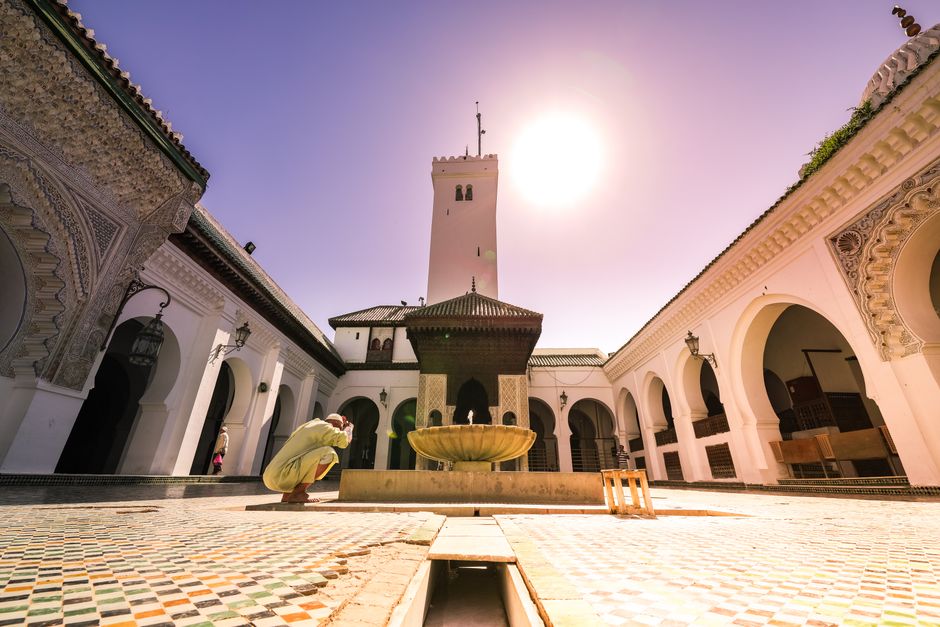
Skip the international hotels. In both cities, the riad is the accommodation that matters. A riad is a traditional Moroccan house built around a central courtyard. The best ones are restored historic homes with original tilework and carved plaster. Staying in one is itself a cultural experience.
In Marrakech, Riad Yasmine is famous for its emerald green tiled pool—it’s beautiful but heavily Instagrammed and often booked out months ahead. Riad BE Marrakech has a similar aesthetic with slightly better availability. Expect to pay $120-200 per night for a quality riad in Marrakech. The higher end, like La Mamounia or Royal Mansour, runs $500+ and is more luxury hotel than cultural immersion.
In Fes, prices drop significantly. Riad Fes Maya and Riad Laaroussa are both exceptional. Laaroussa has a hammam in the basement and a rooftop terrace overlooking the medina. You can get a beautiful room for $80-120 per night. The owners are often Moroccan families who can arrange guides, cooking classes, and hammam visits directly—no middleman markup.
My pick: if you’re choosing one city for a culture trip, book Fes and stay in a family-run riad. The experience of waking up to the call to prayer echoing across the medina, eating breakfast on a rooftop terrace, and walking out into 9,000 streets of living history is something Marrakech can’t replicate at any price.
The Verdict: Pick Fes for Depth, Marrakech for Spectacle
Here’s the compressed answer. If you have 7-10 days, do both—start in Fes for 3-4 days, then take the train to Marrakech for 3-4 days. The train takes about 6.5 hours and costs around 300 dirhams first class. You’ll appreciate Marrakech more after seeing Fes first, because you’ll understand what’s authentic and what’s performance.
If you only have time for one city, the choice comes down to this: Fes is for culture purists who want the deepest, oldest, least filtered Morocco. Marrakech is for travelers who want cultural highlights with easier navigation, better infrastructure, and a more polished experience. Both are legitimate. But if someone asks me which city is “better for culture buffs,” the answer is Fes without hesitation. Marrakech is the show. Fes is the real thing.
Most people pick Marrakech because it’s the name they’ve heard. They’d have had a richer trip in Fes.