
Best Seoul Hotels 2024: Data-Driven Analysis of Luxury and Boutique Accommodations
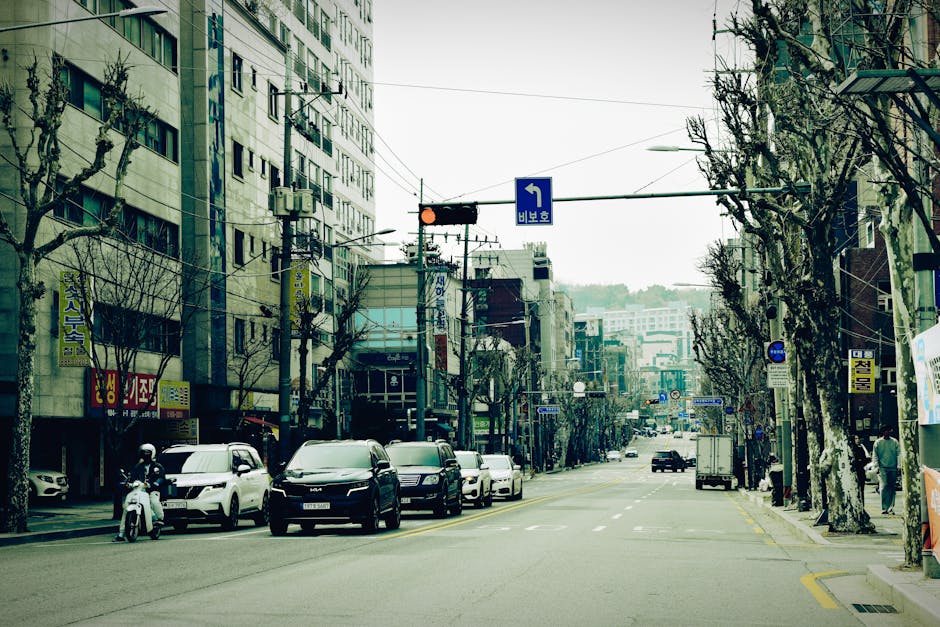
You step off the AREX express train at Seoul Station, your ears still popping from the descent into Incheon. The humidity hits first, followed by the realization that the city is a sprawling, multi-nodal monster. Unlike London or Paris, where a central district defines the experience, Seoul is a collection of distinct cities stitched together by the silver threads of the Metropolitan Subway. Choosing a hotel here is not merely about the thread count of the sheets; it is a logistical decision that determines whether you spend two hours a day in a subterranean tunnel or two minutes walking to a palace gate. The hills of Namsan and the wide boulevards of Gangnam offer fundamentally different versions of the Korean capital, and selecting the wrong base can turn a research trip into an endurance test.
Navigating the Luxury Landscape of Jung-gu and Jongno-gu
The historical heart of Seoul, encompassing Jung-gu and Jongno-gu, remains the primary choice for those prioritizing cultural proximity. Here, the juxtaposition of 14th-century Joseon Dynasty palaces and shimmering glass skyscrapers is most jarring. If your itinerary involves Gyeongbokgung Palace or the traditional alleys of Bukchon Hanok Village, this is your geographic anchor. However, the density of this area means that space comes at a significant premium, and the “luxury” label is applied with varying degrees of accuracy.
The Shilla Seoul
Positioned on a private hill overlooking Namsan, The Shilla is often cited as the pinnacle of Korean hospitality. It is not just a hotel; it is a sprawling complex that includes a duty-free mall and a traditional Hanok-style banquet hall. The aesthetic is restrained and classic, eschewing the flashy modernity found in Gangnam for a sense of timelessness. Rooms are spacious by Seoul standards, with the Executive Grand Deluxe rooms offering approximately 43 square meters of space. The bedding utilizes high-grade Hungarian goose down, and the attention to detail in the climate control systems is exceptional. Price: Approximately 480,000 KRW to 750,000 KRW per night.
- Pro: Unrivaled service standards and the “Urban Island” outdoor pool, which is heated year-round.
- Con: The location is somewhat isolated; while there is a shuttle, it is not a “walk out the door and explore” kind of property.
Four Seasons Hotel Seoul
If The Shilla represents tradition, the Four Seasons at Gwanghwamun represents the modern global standard. Opened in 2015, it sits directly atop a historic site—a fact commemorated by glass floors in the lower levels revealing ancient ruins. The rooms feature floor-to-ceiling windows that, if you book a Palace-View room, offer a direct line of sight to Gyeongbokgung. The technology integration is seamless, with iPad-controlled room features and high-speed connectivity that caters to the business traveler. Price: Approximately 650,000 KRW to 900,000 KRW per night.
- Pro: The best hotel spa in the city and a central location that makes walking to major sights feasible.
- Con: The price point is consistently the highest in the city, often exceeding the value proposition for leisure travelers.
The choice between The Shilla and the Four Seasons often comes down to your tolerance for hills. The Shilla offers a resort-like escape, while the Four Seasons puts you in the center of the urban grind.
Evaluating the High-End Business Districts of Gangnam and Samseong
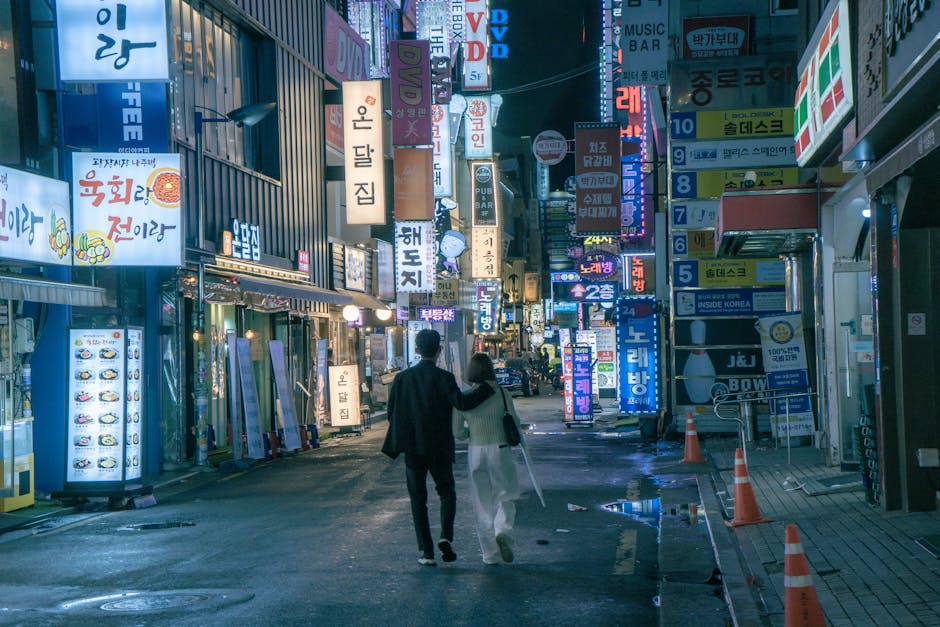
Crossing the Han River to the south brings you into Gangnam-gu, the district synonymous with wealth, plastic surgery, and corporate power. The vibe here is markedly different—wider roads, more aggressive architecture, and a faster pace of life. This is the home of the COEX Convention Center and the headquarters of major tech firms. Staying here makes sense if your trip is focused on commerce, high-end shopping at Apgujeong, or the nightlife of Sinsa-dong. The hotels in this area reflect this, emphasizing efficiency, sleek design, and proximity to Line 2, the city’s most vital subway loop.
Park Hyatt Seoul
Located directly across from the COEX, the Park Hyatt is a masterclass in minimalism. The check-in process occurs on the 24th floor, offering an immediate panoramic view of the bustling Teheran-ro. The rooms are characterized by the heavy use of oak and stone, with deep soaking tubs positioned next to windows. It feels more like a private residence than a hotel. For the analytical traveler, the data point to watch is the room size: the standard King room is 42 square meters, which is significantly larger than the Gangnam average. Price: Approximately 550,000 KRW to 800,000 KRW per night.
- Pro: The aesthetic is incredibly calming, and the floor-to-ceiling windows provide one of the best urban views in Korea.
- Con: The dual-elevator system (lobby to ground, lobby to rooms) can be a minor annoyance for those in a rush.
Andaz Seoul Gangnam
Connected directly to Apgujeong Station, the Andaz is perhaps the most vibrant luxury option in the south. The design incorporates traditional Korean motifs—like the jogakbo (patchwork) patterns—into a very contemporary, colorful palette. It targets a younger, design-conscious demographic. The breakfast buffet at Jogakbo is frequently ranked among the best in the city for its balance of Korean staples and Western favorites. Price: Approximately 420,000 KRW to 600,000 KRW per night.
- Pro: Direct subway access is a massive advantage during Seoul’s rainy season or freezing winters.
- Con: The immediate surrounding area is extremely busy with traffic, making the street-level experience a bit chaotic.
| Hotel Name | District | Primary Vibe | Avg. Price (KRW) |
|---|---|---|---|
| The Shilla | Jung-gu | Classic / Heritage | 550,000 |
| Four Seasons | Jongno-gu | Modern / Central | 750,000 |
| Park Hyatt | Gangnam | Minimalist / Business | 600,000 |
| Andaz Seoul | Gangnam | Boutique / Trendy | 450,000 |
Exploring Boutique and Creative Accommodations in Mapo and Seongsu
For those who find the corporate sheen of Gangnam or the stiff formality of Jung-gu unappealing, the western and eastern flanks of the city offer more character-driven stays. Mapo-gu, specifically the Hongdae and Yeonnam-dong areas, is the epicenter of Seoul’s youth culture and indie music scene. Conversely, Seongsu-dong (often called the Brooklyn of Seoul) is an industrial-turned-creative hub. Accommodations here tend to be more affordable while offering a higher “cool” factor, though you may sacrifice the white-glove service found at the five-star giants.
RYSE, Autograph Collection
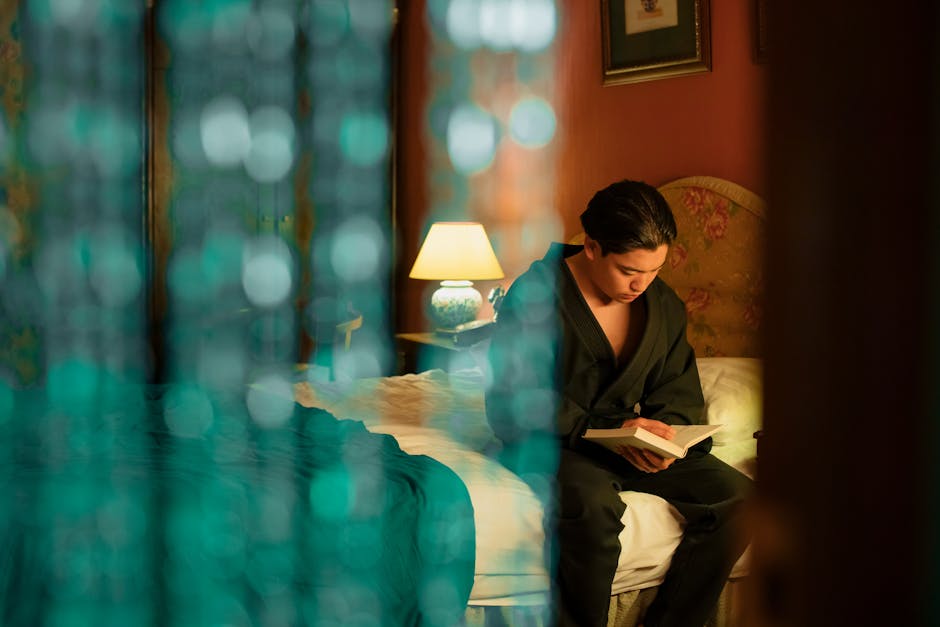
Situated in the heart of Hongdae, RYSE is designed for the creative class. The lobby features a rotating art gallery and a curated print shop. The rooms are categorized by “types” like Creator, Editor, and Artist, each featuring custom furniture and a record player or high-end Bluetooth speaker. It is one of the few hotels in Seoul that feels genuinely integrated into the neighborhood’s subculture rather than just sitting on top of it. Price: Approximately 280,000 KRW to 450,000 KRW per night.
- Pro: Incredible location for nightlife and independent cafes; excellent fitness center.
- Con: The neighborhood is loud and crowded until the early hours of the morning, which may bother light sleepers.
L7 Hongdae by Lotte
L7 is the lifestyle brand of the Lotte conglomerate, and the Hongdae branch is their flagship. It offers a more streamlined, tech-forward experience compared to RYSE. The rooftop pool is a major draw during the summer months, providing a rare high-altitude view of the Mapo district. It is a pragmatic choice for those who want a clean, modern room without the full-service price tag. Price: Approximately 180,000 KRW to 300,000 KRW per night.
- Pro: Very competitive pricing for the quality of the rooms and the location.
- Connectivity: Secure an eSIM before landing to avoid the exorbitant roaming fees from home carriers.
- Navigation: Use Naver Maps; Google Maps will likely lead you to a dead-end alley in Jongno.
- Footwear: Prioritize function over fashion; the hills of Namsan do not care about your designer loafers.
- Insurance: Do not skip travel insurance; Korean medical care is excellent but can be expensive for non-residents.
-
-
-
-
-
-

When considering these areas, it is vital to factor in your walking habits. Seoul is a city of hills and stairs. Even if a hotel is “near” a subway station, the walk might involve a 15-degree incline. For those planning extensive walking tours, investing in a pair of high-quality walking shoes—brands like Brooks or New Balance, often available via major retail partners—is not an option but a necessity. The pavement in Seoul is unforgiving, and the sheer scale of the subway stations means you might walk a kilometer just transferring between lines.
Optimizing Your Stay Through Strategic Financial and Technical Planning
A successful stay in Seoul requires more than just a room booking. The technical and financial infrastructure of South Korea is highly advanced but often insular. For instance, Google Maps is notoriously unreliable for walking directions due to government regulations on mapping data. You will need to download Naver Maps or KakaoMap. To use these effectively, a reliable data connection is mandatory. Many travelers now opt for eSIMs, which can be purchased through various telecom providers. Having a local data plan ensures you can navigate the complex bus system, which is often faster than the subway for short cross-town trips.
Financial Strategies and Insurance
While South Korea is a largely cashless society, having a credit card with no foreign transaction fees is a basic requirement. Many high-end hotels will also place a significant hold on your card for incidentals, so ensuring your credit limit is sufficient is a boring but necessary step. Furthermore, given the density of the city and the potential for travel disruptions, securing a robust travel insurance policy is advisable. Providers like Allianz offer plans that cover everything from medical emergencies in world-class Korean hospitals to trip cancellations. The peace of mind is worth the marginal cost, especially when navigating a country where English is not the primary language in medical settings.
The Logistics of Booking
When booking, consider the seasonality of Seoul. The “best” hotel can become a nightmare during the summer monsoon (July) or the biting Siberian winds of January. If you are visiting in winter, ensure your hotel offers traditional “Ondol” (underfloor) heating or a high-quality HVAC system. The Shilla and Four Seasons excel here, whereas some older boutique hotels may rely on noisy wall units. If you are traveling for a special occasion, many retail platforms offer gift cards or vouchers that can be used to offset the cost of high-end dining within these hotels, such as the Michelin-starred La Yeon at The Shilla.
Ultimately, the best hotel in Seoul is the one that minimizes your friction with the city. If you are here for the history, stay in the north. If you are here for the pulse of modern Asia, stay in the south. If you are here to lose yourself in the creative chaos, Mapo is your home. Seoul is a city that rewards those who do their homework and punishes those who choose based on photos alone. By balancing geographic logic with a clear understanding of your own travel style, you can turn a stay in this megalopolis into a seamless, high-fidelity experience.
