Solo Travel in India: What First-Timers Get Wrong
India handles roughly 9 million international tourists per year. A significant chunk are solo travelers. Most love it. Some have a miserable week and go home early. The difference between those two outcomes is almost never luck — it’s preparation, specifically around three things: transport, region selection, and expectations.
What a Day in India Actually Costs
Budget estimates for India online are wildly inconsistent. The honest answer is that daily cost depends heavily on region and comfort level. Rajasthan is pricier than rural Madhya Pradesh. Goa costs more than Hampi. Here’s a realistic 2026 breakdown:
| Budget Level | Daily Cost (INR) | Daily Cost (USD approx.) | What You Actually Get |
|---|---|---|---|
| Shoestring | ₹1,200 – ₹2,000 | $14 – $24 | Dorm beds at Zostel, local thalis, sleeper train or bus |
| Budget | ₹2,500 – ₹4,000 | $30 – $48 | Private guesthouse room, sit-down restaurants, 3AC train |
| Mid-range | ₹5,000 – ₹8,000 | $60 – $96 | 3-star hotel, tourist restaurants, occasional IndiGo domestic flight |
| Comfort | ₹10,000+ | $120+ | 4-star accommodation, AC car hire, SpiceJet or IndiGo flights regularly |
Two costs that skew these numbers: alcohol (heavily taxed in most states, especially Rajasthan) and monument entry fees. The Taj Mahal charges foreigners ₹1,100 (~$13). Budget an extra ₹300–700 per day if your route is monument-heavy.
Digital payments via UPI work in most cities now. Outside cities, cash is still king. ATMs charge ₹200–300 per withdrawal, so withdraw larger amounts less frequently rather than hitting machines daily.
India’s Train System: The Part No One Explains Clearly
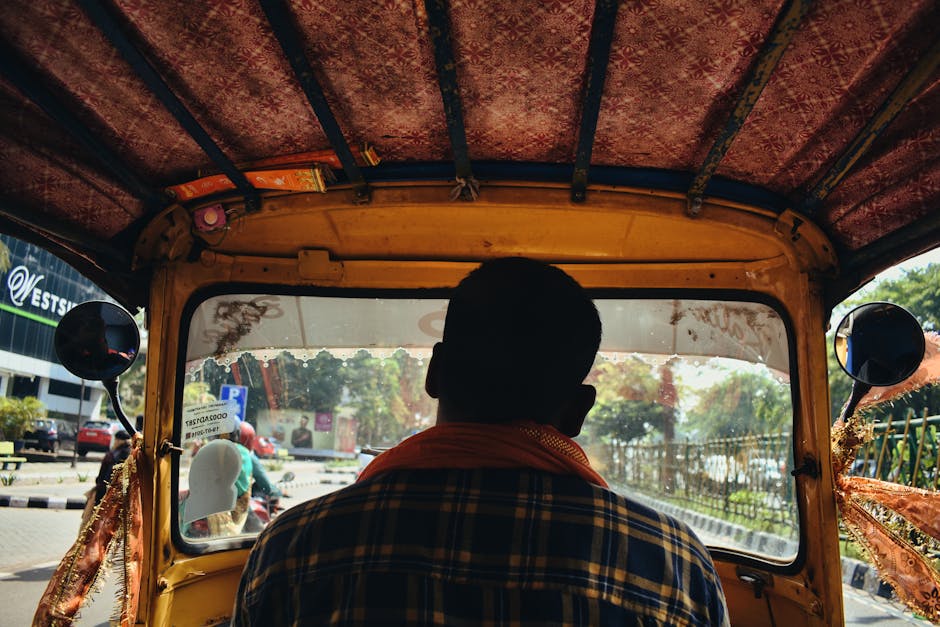
Indian Railways carries roughly 23 million passengers per day. For solo travelers, it’s the backbone of long-distance movement — safer than buses for overnight journeys, a fraction of the cost of domestic flights, and genuinely comfortable if you book the right class. The confusion is almost always about that last part.
Booking happens through IRCTC (Indian Railway Catering and Tourism Corporation). You need an account before your trip — not at the station, before you leave home. Creating one as a foreigner takes 10–20 minutes but the site rejects many international phone numbers. If verification fails, use a VoIP number or ask a local contact to assist. The IRCTC app is functional but slow; many experienced travelers use it only for booking and switch to the ixigo app for everything else.
Which Train Class to Book
This is where most first-timers make either an expensive or an uncomfortable mistake.
- Sleeper Class (SL): No air conditioning. Tolerable on cool-weather daytime journeys. A 14-hour overnight in Sleeper during April or May is genuinely punishing.
- 3 Tier AC (3AC): The best value for solo travelers. Six berths per bay, curtains for privacy, AC throughout. Costs roughly ₹400–1,500 depending on distance and train.
- 2 Tier AC (2AC): Four berths, more space, better sleep. Worth the upgrade on journeys over 12 hours.
- 1AC: Two-berth private compartments. Not necessary unless you’re carrying expensive equipment or genuinely need full privacy.
The clear verdict: book 3AC as your default. It costs a fraction of a domestic flight, deposits you in the city center rather than an airport 30km out, and overnight journeys mean you don’t burn a full day on transit.
The Tourist Quota — Your Backup When Trains Show Full
Popular trains fill weeks in advance. Many solo travelers hit a wall when IRCTC shows no availability and assume they’re stuck. They’re not. The Foreign Tourist Quota is a small allocation of seats held specifically for international visitors. Access it at the PRS (Passenger Reservation System) counter at major railway stations, paying in foreign currency or with an internationally-issued ATM card. Not every station offers it, but Delhi (New Delhi, Hazrat Nizamuddin), Mumbai CST, Jaipur, and Kolkata do. It’s legitimate, it’s underused, and it’s saved dozens of itineraries.
Train Tracking in Real Time
Download ixigo before your trip. It shows real-time running status, platform numbers, and live seat availability across all classes — often more accurately than the official IRCTC app. For intercity bus routes, redBus covers the major corridors and accepts international payment cards without the workarounds that IRCTC sometimes requires.
Three Regions That Suit First-Time Solo Travelers
India is not one destination. Choosing the wrong region for a first solo trip — chasing Northeast India on week one, for instance — is a reliable path to overwhelm. Start with regions that have mature tourist infrastructure and branch out on return trips.
- Rajasthan (the Golden Triangle extension): Delhi → Agra → Jaipur → Jodhpur → Udaipur. Yes, it’s over-touristed. That’s actually useful for beginners — English is spoken widely in guesthouses, transport links run on schedule more often than elsewhere, and you’re rarely the only foreign traveler navigating a complicated situation. Budget 10–14 days.
- Kerala and Goa: South India runs at a different tempo. Kerala’s backwaters around Alleppey, the colonial streets of Kochi, and Munnar’s tea estates are genuinely relaxed. Add Goa as a final stretch — it has the densest concentration of solo-traveler-friendly hostels in the country. Zostel has properties in both Kochi and Panaji; dorm beds start around ₹600–800 per night with clean facilities and active social common areas.
- Himachal Pradesh: Dharamshala, Manali, Kasol, Spiti Valley. Heavy on trekking, lower on monuments, cooler temperatures. Best windows are April–June and September–October. Avoid July–August when monsoon rains make mountain roads unpredictable. This region suits solo travelers who want slower-paced days over constant sightseeing.
Skip Northeast India — Meghalaya, Nagaland, Arunachal — for a first solo trip. Not because it’s unsafe, but because transport connections are thin, some areas require Inner Line Permits, and the region genuinely rewards people who already understand how Indian logistics work before they arrive.
The Safety Reality
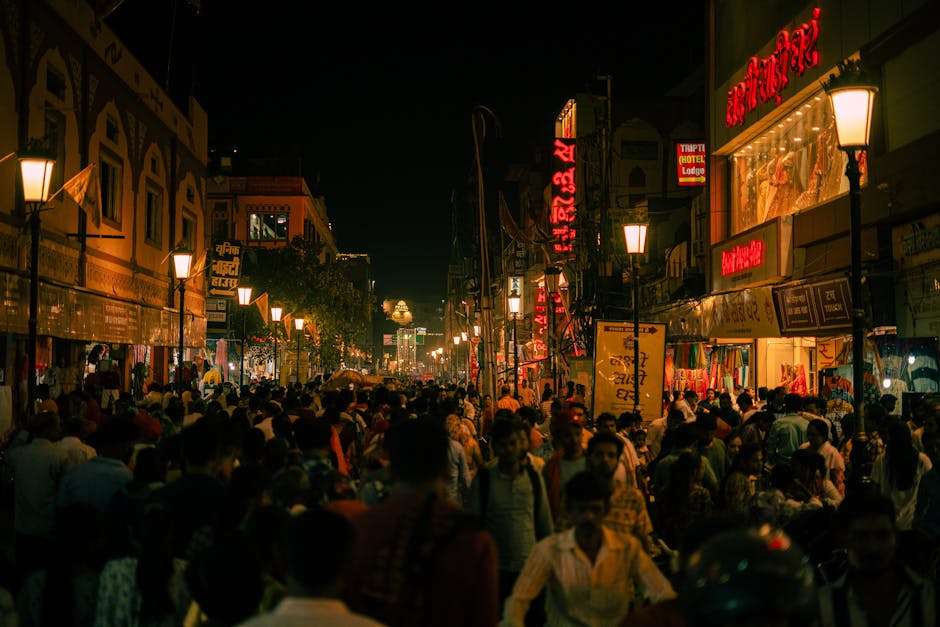
India is not uniquely dangerous for solo travelers, but it is not uniformly safe either, and pretending otherwise helps no one. Tourist-targeting crime is usually opportunistic: overcharging, gem scams in Jaipur, “closed today” redirects to commission-paying shops, fake holy men in Varanasi. Violent crime against tourists is statistically rare. Solo female travelers face a higher baseline of harassment in parts of Uttar Pradesh and rural Rajasthan compared to Kerala or Goa — knowing this in advance, and letting it inform accommodation location and evening movement, removes a significant chunk of actual risk. Staying in centrally located, well-reviewed guesthouses over cheaper spots on city outskirts is the single highest-leverage safety decision on the entire trip.
SIM Cards, eSIMs, and Getting Connected
Should you buy a local SIM or use an eSIM?
Local SIM wins on cost. Jio and Airtel both offer tourist-friendly plans — roughly ₹299–399 for 28 days with 1.5–2GB of daily data. Getting one requires your passport and usually a signature from hotel staff. Some airports have SIM counters that handle the documentation on the spot; major cities like Delhi and Mumbai have dedicated Jio stores accustomed to serving international visitors.
Airalo eSIMs start around $5 for 1GB or $15 for 10GB of India data. More expensive than local SIMs, but zero paperwork and active the moment your plane lands. For trips under two weeks where the admin overhead of acquiring a local SIM isn’t worth it, Airalo is a clean solution.
Which apps to install before flying?
- Google Maps offline: Download the regions you’re visiting before departure. Works without any data connection.
- ixigo: Train running status and booking support.
- redBus: Intercity and regional bus booking.
- MakeMyTrip: Domestic flight booking — frequently cheaper than airline websites directly, and it accepts international cards reliably.
- PhonePe or Google Pay: UPI payments. Many local shops and street vendors now accept UPI exclusively. Linking an international card requires some steps, but it’s worth attempting — otherwise just carry cash for small vendors.
Will your bank card work at Indian ATMs?
Visa and Mastercard debit and credit cards work at most urban ATMs. Expect a ₹200–300 fee per withdrawal from the ATM operator, on top of whatever your bank charges. HDFC and SBI ATMs have the widest network and the fewest foreign card rejections. Axis Bank ATMs have had recurring reliability issues with international cards specifically. Carry some USD or GBP as a backup — Thomas Cook and private forex counters in major cities offer decent rates for cash exchange, and you’ll want an emergency reserve that doesn’t depend on ATM availability.
Seven Mistakes That Derail Solo India Trips
- Over-scheduling. India’s infrastructure moves slowly. A listed 6-hour train journey becomes 9. A “15-minute auto ride” takes 45 minutes in Delhi traffic. Build buffer days every 5–6 days, not just at the very end of the trip.
- Booking Sleeper class on summer overnight trains. The extra ₹300–600 for 3AC is not optional between April and June. Sleeper without AC in 40°C heat is a miserable 12-hour experience with no recovery option.
- Trusting station touts who say your guesthouse is closed. “The place you booked burned down / flooded / is full” is the standard opening of a commission redirect scam. It is almost always false. Walk away and call your accommodation directly.
- Skipping travel insurance. A private hospital admission in Delhi runs $200–800 per day. Emergency medical evacuation from a mountain region runs far higher. Insurance covering emergency evacuation is not an optional expense in India — it’s a baseline requirement.
- Carrying only cards or only cash. Both will fail at some point. Cards get declined at random. ATMs run out of notes before public holidays. Split your funds: cash for local transport and small purchases, card access for hotels and online bookings.
- Not checking the tourist quota when trains show fully booked. Most travelers give up and pay for a last-minute domestic flight. The PRS counter at major stations is worth visiting first — the tourist quota is underused and frequently has availability even when online booking shows none.
- Not downloading offline maps. Mobile data disappears entirely in rural areas, hill stations, and several older city centers. Offline Google Maps is not a nice-to-have. It’s the navigation backup you will use, probably on day three.
A Sample Two-Week Solo Route That Actually Works
Most first-timers either pack in too many cities or park in one place and miss variety entirely. This structure balances movement with recovery time:
| Days | Location | Key Focus | Transport to Next Stop |
|---|---|---|---|
| 1–2 | Delhi | Acclimatize, Old Delhi food walk, Red Fort, Chandni Chowk | Shatabdi Express to Agra (2 hrs, ₹700–1,200 in CC chair) |
| 3 | Agra | Taj Mahal at sunrise, Agra Fort, Mehtab Bagh sunset view | Train to Jaipur (4.5 hrs, ₹300–900 in 3AC) |
| 4–5 | Jaipur | Amber Fort, City Palace, Hawa Mahal, local bazaars | Overnight bus to Jodhpur (5–6 hrs, ₹400–700 on redBus) |
| 6–7 | Jodhpur | Mehrangarh Fort, blue city walk, rooftop cafes | Train to Udaipur (5 hrs, ₹300–800 in 3AC) |
| 8–9 | Udaipur | City Palace, Lake Pichola boat, Sajjangarh sunset | IndiGo or SpiceJet flight to Mumbai (~₹2,000–3,500, 1.5 hrs) |
| 10–11 | Mumbai | Gateway of India, Dharavi, Bandra street food, Colaba | Mandovi Express overnight train to Goa (10–12 hrs, ₹400–1,100 in 3AC) |
| 12–14 | Goa | North Goa beaches, Panjim markets, slow final days | Fly home from Goa International Airport |
The Udaipur-to-Mumbai flight costs roughly the same as a 2AC train ticket but saves 18–20 hours of journey time. At the midpoint of a two-week trip, that time is worth more than the money. Book it on MakeMyTrip for the most reliable international card acceptance.
Solo travel in India keeps getting more accessible. Hostel infrastructure has expanded meaningfully since 2026, UPI payments now reach smaller towns that were cash-only three years ago, and the IRCTC booking system has become more foreigner-friendly with each update. The logistics are genuinely improving — but the reward still goes to travelers who show up with a realistic plan rather than a romanticized one, and who know what to do when the train runs four hours late.