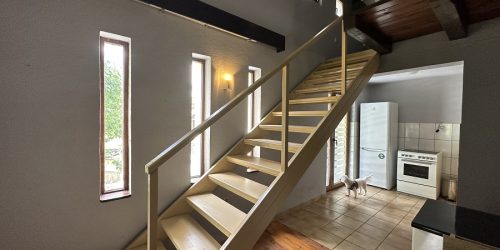
Renovations Done
Globally, nearly 40% of home renovation projects exceed their initial budget. For travelers, this often means delayed trips or dipping into vacation savings. Smart planning ensures your home project doesn’t derail your next adventure.
The Hidden Costs of ‘Done’ – Beyond the Quote
The term “done” in renovation rarely refers to the final financial tally. Initial quotes, while helpful, often don’t every potential expense. Many homeowners find themselves facing additional costs long after the last nail is hammered, eating into funds earmarked for other plans.
Unforeseen Structural Issues
Many older homes hide significant problems beneath surfaces. Removing drywall or pulling up old flooring can reveal anything from widespread wood rot, especially in bathrooms or kitchens, to outdated electrical systems like knob and tube wiring, or compromised plumbing lines. Discovering these issues not only adds days or weeks to a timeline but can also tack on thousands of dollars for remediation. A seemingly small bathroom overhaul, for instance, might expose substantial floor joist damage from a forgotten leak, necessitating extensive repair before new tile can be laid. This isn’t just a cost; it’s a project pause that can push your travel plans back.
Permit Delays and Inspection Fees
Many homeowners overlook the critical step of obtaining proper permits. Renovating without them is risky, potentially leading to hefty fines, stop-work orders, and complicated insurance claims down the line. Permit fees, which vary by municipality and project scope, can stack up quickly. Moreover, inspections, particularly for structural, electrical, or plumbing work, are mandatory. If an inspector finds issues, you’ll face delays, require re-inspections, and possibly incur additional fees. Researching local regulations and working with a contractor familiar with city-specific codes is crucial for avoiding these snags. Utilizing quality materials for foundational work, such as lumber from reputable local yards or electrical components from a known manufacturer like Leviton, can help ensure compliance and pass inspections more smoothly.
Post-Renovation Cleaning and Repairs
The dust from a renovation is pervasive. Professional post-construction cleaning is often essential, costing hundreds of dollars for a truly thorough job that removes fine particulate matter from every surface. Beyond dust, minor repairs might be needed: a scuffed wall, a chipped tile, or a loose trim piece. These seemingly small fixes accumulate in terms of time or potential call-back fees for your contractor. Also, consider waste disposal; large debris removal isn’t always included in the initial quote. Specifying durable finish materials from trusted brands for high-traffic areas, like **Sherwin-Williams** paint for walls or **Mohawk** flooring, can minimize future scuffs and long-term wear, reducing the need for minor repairs down the line.
Project Management: DIY vs. Professional Oversight
Deciding who manages your renovation project has a significant impact on both your stress levels and your budget. This choice often depends on the project’s scale, your personal time availability, and your expertise.
| Aspect | DIY (Small Projects) | General Contractor (GC) | Professional Project Manager (PM) |
|---|---|---|---|
| Time Commitment | High. You manage everything from sourcing to scheduling. | Moderate. GC handles trades, you manage GC communication. | Low. PM oversees GC, acts as owner’s representative. |
| Cost Impact | Lowest direct cost, highest risk of hidden costs/delays. | Adds 10-20% to total project cost for coordination. | Adds 5-15% of project cost, potential for greater overall savings. |
| Expertise Needed | High. Deep knowledge of trades, regulations, scheduling. | Minimal owner expertise, relies on GC’s experience. | Moderate owner expertise to vet PM. PM has high expertise. |
| Risk Management | All on owner. High risk of mistakes, delays. | Shared. GC manages trade-specific risks, permits. | Best. PM identifies issues early, advocates for owner. |
| Best For | Cosmetic updates (e.g., painting a single room), small repairs. | Most mid-to-large renovations (kitchen, bath, additions). | Large, complex, or multi-phase projects; owners with limited time. |
For most significant renovations, engaging a **General Contractor** is often the pragmatic choice. They coordinate trades, manage schedules, and handle on-site problems, reducing your direct involvement. For very large or multiple concurrent projects, especially if you plan to be away, consider a dedicated Professional Project Manager. They advocate for you, ensuring quality and adherence to budget and timeline, often saving more than their fee in the long run by preventing costly errors and delays.
Budget Bloat: Why Initial Estimates Fail
An initial renovation estimate serves as a starting point, not a fixed price. Numerous factors can push costs higher, often catching homeowners off guard. Understanding these common pitfalls helps you build a more realistic financial buffer and protect your travel savings.
-
Scope Creep: This is arguably the most common budget killer. What begins as a simple kitchen refresh can suddenly expand to include new flooring throughout the dining room, moving a wall, or upgrading to high-end appliances not initially discussed. Each “small” addition can snowball, significantly driving up both material and labor costs. Define your project scope meticulously upfront and resist the urge for last-minute additions.
-
Material Price Fluctuations: Building material costs are not static. Prices for commodities like lumber, steel, and even common finishes such as drywall or tile can fluctuate rapidly due to supply chain disruptions, tariffs, or shifts in market demand. These unpredictable changes can significantly impact your budget. Where possible, lock in material prices with suppliers, or, more realistically, build in an additional buffer specifically for potential increases.
-
Change Orders: Any deviation from the original plan or specified materials after work has commenced is a change order. Contractors will charge for these, covering not just the new material or labor, but also administrative work, revised plans, and schedule adjustments. Even a seemingly minor alteration can incur significant re-work fees. Thorough planning reduces the need for costly mid-project changes.
-
Underestimating Labor: Labor costs represent a substantial portion of any renovation budget. Many homeowners underestimate the sheer number of hours required for demolition, precise installation, detailed finishing, and thorough cleanup. Specialized trades, such as licensed electricians or certified plumbers, command higher rates due to their expertise. Always insist on detailed labor breakdowns in your quotes.
-
Contingency Fund Neglect: A **contingency fund** of 10-20% of your total project budget is not optional; it’s essential. This fund specifically covers the “unknowns”—the structural issues unearthed, unexpected material shortages, or the truly unavoidable minor changes. Without this financial cushion, you are guaranteed to dip into savings intended for other purposes, often directly impacting your travel plans.
The Impact of Material Choices on Longevity and Value
Always prioritize quality and durability for core renovation elements. This isn’t about unnecessary luxury; it’s a strategic investment. Choosing cheaper materials for high-wear areas like flooring, countertops, or plumbing fixtures often leads to premature failure, costly repairs, and a quicker need for full replacement. For travelers, low-maintenance, robust materials mean less worry while you’re away and more time for actual travel. For example, instead of cheap laminate, consider engineered hardwood or high-quality vinyl plank flooring from reputable brands like **Shaw Flooring** or **Armstrong**. These options withstand heavy foot traffic and are significantly easier to clean and maintain over time.
Durability vs. Aesthetics
While aesthetics are undeniably important for a renovation, they should never overshadow functionality and longevity. A visually stunning countertop made of a softer, more porous material might look incredible initially but will scratch, stain, and show wear much faster than a harder, more resilient option. This degradation not only diminishes its appearance but also reduces its long-term value. Instead, opt for materials known for their resilience in high-use areas, such as quartz or granite for countertops, or porcelain tile for bathrooms and entryways. These choices are designed to maintain their appeal with minimal upkeep, providing lasting value.
Sustainable Choices for Long-Term Gain
Selecting sustainable materials often correlates directly with better durability and long-term performance. Products like insulation made from recycled content or low-VOC (volatile organic compound) paints from brands such as **Benjamin Moore** not only contribute to better indoor air quality but can also be more robust and enduring. Similarly, investing in energy-efficient windows, while a higher upfront cost, significantly reduces utility bills over their lifespan. These choices offer substantial long-term savings, reduce your environmental footprint, and increase your home’s overall market value, making them smart investments for any homeowner.
Post-Renovation Checklist: Securing Your Investment Before Travel
The project might be “done,” but your work isn’t over, especially if travel is on the horizon. A thorough post-renovation process ensures your investment is secure and ready for your departure.
What are the essential final inspections?
A comprehensive final walkthrough with your contractor is non-negotiable. Inspect every detail meticulously: check paint lines, ensure all fixtures are properly installed, test door swings, and verify cabinet alignment. Operate all new appliances and plumbing fixtures to ensure they function correctly. Crucially, confirm that all agreed-upon work is completed to your satisfaction and adheres to local building codes. If structural or electrical work was performed, ensure all final municipal inspections are passed and officially signed off. Request all lien waivers from the general contractor and any major subcontractors to protect yourself from future claims.
How do I ensure warranties are valid?
Collect and organize all warranty information for newly installed materials and appliances. This includes manufacturer warranties for significant items like new windows, HVAC systems, water heaters, or flooring. Additionally, confirm the contractor’s workmanship warranty, which typically covers their labor for one year. Keep all receipts, product manuals, and warranty documents in a secure, easily accessible place. If an issue arises while you’re traveling, having these details readily available simplifies the process of addressing it, whether through a warranty claim or a contractor call-back.
What about home security during extended trips?
After a renovation, particularly if new doors or windows were installed, it’s an opportune time to upgrade your home security. Modern **smart home system**s from brands like **Ring** or **Arlo** offer remote monitoring capabilities, motion detection alerts, and smart lock control, providing immense peace of mind. Ensure all new windows and doors are securely locked and your alarm system is armed before you depart. Consider a smart doorbell for package monitoring. Notify a trusted neighbor or house-sitter of your travel plans and provide them with emergency contact information for your contractor or a reliable local handyman in case any post-renovation issues arise while you’re away.
Timing Your Renovation for Minimal Disruption
The best renovations are always planned projects, not rushed reactions. Start your major home upgrades during the off-peak season for contractors, which is typically late fall or winter in many regions. This approach usually means more competitive pricing, better contractor availability, and significantly less conflict with your personal travel plans or summer activities.
Maximizing Resale Value: Traveler-Focused Upgrades
When approaching a renovation, it’s wise to think beyond your immediate needs to the preferences of potential future buyers, especially those who might also value travel. Upgrades that simplify home management or enhance a “lock-and-leave” lifestyle are highly attractive. These features reduce the burden of homeownership, freeing up both time and financial resources for other pursuits, such as exploring new destinations.
Smart Home Integration
Installing a robust **smart home system** adds significant appeal and convenience. This includes smart thermostats (like **Nest** or **Ecobee**), smart lighting, and integrated security features. Future owners can manage energy usage, monitor their home for security, and even grant temporary access to pet sitters or cleaning services remotely, from anywhere in the world. Such integration signals a modern, low-hassle living experience, which is particularly appealing to busy professionals or avid travelers.
Low-Maintenance Landscaping
Elaborate gardens requiring constant pruning, watering, and care can be a major deterrent for potential buyers who prioritize travel. Instead, opt for drought-tolerant plants, native species, and efficient irrigation systems that require minimal attention. Hardscaping elements, such as paver patios, gravel paths, or rock gardens, further reduce the need for constant watering and weeding. A professionally designed, **low-maintenance landscaping** scheme enhances curb appeal without demanding continuous upkeep, making it perfect for those who frequently travel.
Energy Efficiency Upgrades
Investments in energy-efficient windows, doors, and insulation not only pay off in lower monthly utility bills but also significantly increase home comfort. Installing a high-efficiency HVAC system, for instance, not only reduces running costs but also appeals to environmentally conscious buyers seeking long-term savings. These upgrades demonstrate responsible homeownership and translate directly into tangible financial benefits, making the home more attractive on the market and allowing future owners to allocate more of their budget to experiences, like travel.