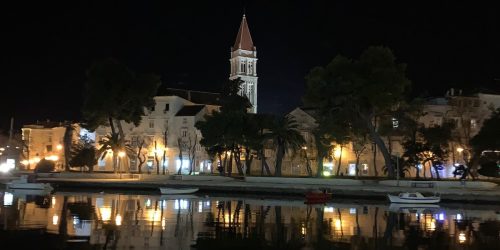
Exploring Coastal Beauty Through the Lens A Guide to Stunning Seascape Photography
Why Coastal Photography Captivates Photographers
Have you ever stood by the ocean, camera in hand, and felt a mix of peace and excitement? That’s the magic of coastal landscape photography. It draws photographers in because of its ever-changing nature—light, tides, textures, and moods shift constantly, offering fresh scenes every time.
Unique Elements That Inspire
Here’s what makes seascape photography so captivating:
| Element | What It Brings |
|---|---|
| Ever-changing light | Golden hour glows, moody cloudy skies, crisp blues of midday |
| Tides | Revealing hidden pools, rocky outcrops, or smooth sandy beaches |
| Textures | Wet rocks, crashing waves, rippled sand, foam patterns |
| Moods | Calm serenity of still waters vs. roaring drama of stormy waves |
This variety means you never shoot the same coastal scene twice. There’s always a new angle or emotion to capture.
Emotional Pull: Calm vs. Drama
The ocean is both a calming presence and a powerhouse. Some days the serenity of calm waters invites quiet reflection, while others bring explosive energy with stormy waves and dark skies. This emotional range lets photographers tell diverse stories through their images.
Benefits for Photographers
Why do I keep coming back to the coast? Simple:
- Accessibility: Coastlines are easy to reach for many, so you don’t need exotic travel to find epic shots.
- Variety in compositions: From wide panoramic views to intimate tide pools, the possibilities are endless.
- Creative expression: Play with long exposures, minimalism, or abstract wave patterns—coasts offer a great canvas.
A Nod to Coastal Photography Legends
Coastal photography isn’t new. Icons like Ansel Adams and Galen Rowell have shaped how we see seascapes through their masterful use of light and composition. Their work reminds us that capturing coastal beauty means balancing technical skill with an eye for nature’s rhythm.
Coastal photography combines endless visual variety with deep emotion. Whether you chase golden hour coastline shots or moody coastal skies, the ocean’s call is irresistible—so grab your gear and let your creativity ride the waves!
Essential Gear for Coastal Shoots
When it comes to coastal landscape photography, having the right gear can make all the difference. For starters, a wide-angle lens is perfect for capturing expansive beach scenes and dramatic skies, while a telephoto lens lets you zoom in on distant sea stacks or intricate tide pool details.
A sturdy tripod is essential, especially for long exposure seascapes where steady shots help create silky water effects. Don’t forget ND filters—these are key for slowing down your shutter speed and smoothing out wave motion or cloud movement. Since coastal shoots often involve spray and unpredictable weather, protective covers for your camera and lenses are a must to keep moisture and sand out.
Other useful items include cleaning cloths for wiping off salt spray, polarized filters to reduce glare and bring out rich colors in water and sky, and cameras with weather-sealed bodies to endure coastal conditions. For those just starting out, look for budget-friendly options like entry-level mirrorless cameras paired with versatile zoom lenses and affordable tripods to get into beach photography tips without breaking the bank.
If you’re planning a shoot, pairing your gear with the right preparation can make a big difference. For example, you might find inspiration for locations and timing in guides like this one on how to enjoy and cool off at scenic coastal spots.
Mastering Key Techniques for Coastal Photography
Timing the light is crucial in coastal landscape photography. The golden hour—shortly after sunrise and before sunset—casts warm, soft light that enhances textures and colors. The blue hour, just before sunrise or after sunset, offers moody, cool tones ideal for atmospheric seascapes. Overcast conditions, often overlooked, provide even lighting that reduces harsh shadows and brings out details in rugged cliffs and tide pools.
Good composition makes your coastal photos stand out. Use leading lines like shorelines or rock formations to guide the viewer’s eye. The rule of thirds works well to balance the horizon and points of interest. Including foreground elements such as rocks, tide pools, or coastal flora adds depth and scale to your shot, creating a more engaging image.
Mastering long exposure techniques transforms ordinary beach photography into surreal seascapes. Using slow shutter speeds, you can create silky smooth water effects and capture the dynamic motion of clouds. This technique highlights the contrast between sharp coastal features and soft, flowing ocean wave motion blur, adding a dreamlike quality to your images.
Coastal shoots come with their challenges. Managing sea spray means using protective lens covers and regularly cleaning your gear. Wind can shake your tripod—opt for a sturdy model and consider weighting it down. High contrast between bright skies and darker rocks often requires careful exposure or using graduated ND filters to balance the scene.
Get creative by experimenting with minimalism, stripping down your images to basic shapes and colors which works well on calm beaches or open skies. Black and white conversions can emphasize textures and moody coastal skies, while abstract patterns in sand and waves open new avenues for artistic expression.
By mastering these key coastal composition techniques and technical skills, you’ll be ready to capture the coastline’s ever-changing moods and create stunning coastal landscape photography.
Top Coastal Photography Destinations Around the World
When it comes to coastal landscape photography, certain spots have become iconic for their stunning seascapes and unique features. Big Sur in California offers dramatic cliffs and crashing waves that inspire countless photographers. The Oregon Coast sea stacks present rugged rock formations rising from the ocean — perfect for capturing ocean wave motion blur and moody coastal skies. Reynisfjara in Iceland is famous for its striking black sand beaches and basalt columns, creating dramatic contrasts and abstract patterns in the sand.
Beyond these well-known locations, there are many hidden gems worth exploring. Lesser-known coves, tidal flats, and rugged cliffs offer quieter opportunities to capture intimate beach photography tips and unique coastal foreground interest without the crowds. These spots often reveal tide pool details and unexpected textures that make your coastal shots stand out.
Regional highlights offer diverse moods and colors for seascape photography. The Mediterranean coastline features turquoise waters and sun-dappled scenes, ideal for golden hour coastline shoots. The Pacific Northwest brings a different kind of drama with its foggy skies and wild, untamed shores. Tropical beaches, meanwhile, provide lush flora and clear waters for vibrant coastal compositions.
When planning your visit to any coastal location, keep a few tips in mind:
- Check local tide charts to catch low tides for tide pools and exposed rocks, or high tides for powerful wave action.
- Consider seasonal weather patterns — stormy winters create dramatic skies, while calmer summers offer peaceful waters.
- Accessibility varies, so research paths and safety, especially for rugged cliffs and isolated coves.
For those interested in exploring more coastal towns and discovering hidden gems ideal for photography, these coastal towns with beautiful landscapes provide fantastic options tailored to your next shoot.
By choosing the right destination and timing, you can make the most of every shoot, capturing everything from serene seascapes to intense ocean wave motion blur that coastal landscape photography lovers strive to achieve.
Step-by-Step Guide to a Successful Coastal Shoot
Successfully capturing coastal landscape photography starts with good preparation. Begin by scouting your location ahead of time—look for unique features like sea stacks, tide pools, or rugged cliffs that add interest. Always check weather forecasts and tide charts, since the light and water levels dramatically affect your shots. Safety is key, so watch for slippery rocks, strong currents, and rising tides.
On location, focus on finding strong compositions. Use coastal composition techniques like leading lines from rocks or shorelines and include foreground interest such as driftwood or coastal flora. Don’t hesitate to adjust your camera settings based on changing light—try different angles and perspectives to create variety. Capture wide scenes to showcase the vast coastline and also zoom in on intimate details like wave patterns or tide pool reflections. Including local wildlife can add life and context to your seascape photography.
Finally, when it comes to post-processing, aim to enhance colors, contrast, and mood while keeping the image natural. Avoid heavy over-editing to maintain the authentic feel of the coast. Subtle adjustments to highlight the golden hour coastline or moody coastal skies can make your photos stand out without losing their real atmosphere.
For more tips on capturing moody landscapes, check out these insights on moody summer mountain photography, which can inspire your coastal shoots with similar atmospheric qualities.
Inspiration Gallery and Photographer Insights
Coastal landscape photography truly comes alive when you see real examples that capture the essence of the shore. Take a look at images featuring dramatic sea stacks, moody coastal skies, or the smooth motion blur of ocean waves. What makes these shots stand out is often the way photographers use leading lines, foreground interest like tide pools or rugged cliffs, and timing—such as the golden hour coastline glow or the subtle blues of an overcast day.
Photographers often share that coastal shoots teach patience and adaptability. One memorable lesson is how quickly the mood can shift with changing tides and weather, pushing you to stay ready and be creative. These moments also highlight the emotional contrast between serene, calm waters and the raw power of stormy waves, enriching your visual story.
I encourage anyone exploring beach photography tips to experiment with styles—from minimalist shots focusing on sand patterns or abstract waves to dramatic black and white seascapes. The key is to develop your unique style by shooting regularly and learning from each coastal session.
For further inspiration on striking coastal environments and tips on capturing natural beauty, check out the detailed travel stories and images from the stunning southwest USA coast at this page about southwest USA memories. It’s a great resource to see how coastline moods and compositions vary across different locations and seasons.
By reviewing work from iconic coastal photographers and reflecting on your personal journey, you’ll deepen your appreciation for seascape photography and begin to craft visuals that speak to both your vision and the ever-changing coastal landscape.
FAQs About Coastal Photography
When is the best time of year for coastal landscape photography?
The best time often depends on your goals. For softer light and calmer seas, spring and autumn are ideal. Summer offers vibrant colors but can be crowded and harsh midday light. Winter brings dramatic storms and moody coastal skies, perfect for capturing intense seascapes with wave motion blur.
How do I handle sea spray during shoots?
Sea spray can fog lenses and damage gear, so protective covers and weather-sealed camera bodies are essential. Use lens hoods and carry microfiber cleaning cloths to wipe droplets quickly. Shooting from a higher vantage point or with a telephoto lens can help avoid direct spray.
What are some beginner tips for coastal photography?
- Start with wide-angle lenses to capture expansive views and coastlines.
- Use ND filters for silky long exposure seascapes.
- Focus on coastal foreground interest like tide pools, rocks, or flora to add depth.
- Shoot during golden hour for warm light and softer shadows.
- Scout locations carefully, checking tide charts and weather to stay safe and plan your shots.
If you want to explore more about coastal travel and photography settings, consider checking out destinations with stunning coastlines for inspiration.