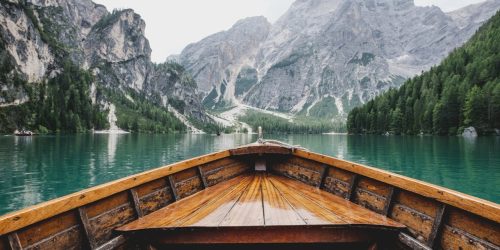
Iceland Ring Road: A 7-Day First-Timer’s Itinerary
Iceland Ring Road: A 7-Day First-Timer’s Itinerary
My first Ring Road trip ended in a guesthouse parking lot near Höfn at 11 p.m. because I’d booked a 2WD hatchback and the access road to the property was gravel. Three trips and many hard lessons later, I’ve got a route that actually works — real overnight towns, honest costs, and the stops that genuinely deserve your time.
The 7-Day Route at a Glance
Iceland’s Ring Road (Route 1) runs 1,332 kilometers around the entire island. Seven days is the minimum to do it justice without feeling like a blur. Don’t try to add Snæfellsnes or the Westfjords — those are second-trip destinations.
This route runs clockwise from Reykjavik. Each overnight town was chosen because it has real services: grocery stores, multiple accommodation options, and a gas station. Not just a single guesthouse and a prayer.
| Day | Route | Drive | Key Stops | Sleep |
|---|---|---|---|---|
| 1 | Reykjavik → Vík | 187 km | Seljalandsfoss, Skógafoss, Reynisfjara beach | Vík |
| 2 | Vík → Höfn | 257 km | Skaftafell, Jökulsárlón Glacier Lagoon, Diamond Beach | Höfn |
| 3 | Höfn → Egilsstaðir | 262 km | East Fjords coastal drive, Djúpivogur | Egilsstaðir |
| 4 | Egilsstaðir → Mývatn | 195 km | Dettifoss (Route 862), Námaskarð, Dimmuborgir lava field | Mývatn area |
| 5 | Mývatn → Akureyri → Varmahlíð | 183 km | Goðafoss, Akureyri town, Glaumbaer turf farm | Varmahlíð |
| 6 | Varmahlíð → Borgarnes | 200 km | Hraunfossar, Barnafoss, Deildartunguhver hot spring | Borgarnes |
| 7 | Borgarnes → Reykjavik (or KEF) | 75 km | Optional Golden Circle, Keflavík Airport | — |
Day 3 through the East Fjords looks long on paper but the road winds along the coast and you’ll stop every 20 minutes for photos. Budget 5–6 hours of actual travel time, not 3.
Clockwise or Counterclockwise — One Is Clearly Better
Go clockwise. Every experienced Ring Road traveler I know lands on this eventually.
You hit the South Coast’s highest-density attractions — Seljalandsfoss, Skógafoss, Reynisfjara, Jökulsárlón — while you’re fresh in days 1–2. The East Fjords serve as a peaceful midweek decompression. You return through North Iceland with your rhythm established. Counterclockwise front-loads the quieter north and most people are burned out by the time they reach Jökulsárlón on Day 5.
The practical bonus: Keflavík Airport sits southwest of Reykjavik. Clockwise means you pick up the car heading east and return from the west — no awkward backtrack on your last day.
Rental Car: Don’t Book the Cheapest Class
Get a 4WD automatic. Not a 2WD with “all-season” tires. An actual 4WD.
Route 1 is paved but not uniformly maintained. Icelandic weather changes in 20-minute intervals. I drove a Suzuki Jimny in October and hit an unexpected sleet patch near Kirkjubæjarklaustur that made my stomach drop. A 2WD in that situation isn’t just uncomfortable — it’s a genuine hazard.
Which car size for which group
Solo or couple: a Dacia Duster or similar compact 4WD from Saga Car Rental or Northbound runs about $120–150/day in summer. That’s the sweet spot for the Ring Road — small enough to park anywhere, capable enough for all conditions on Route 1. Three or four people with luggage: step up to a Toyota RAV4 or Mitsubishi Outlander at $180–220/day. The Toyota Land Cruiser class exists at $300+/day and is entirely unnecessary unless you’re planning highland F-road access, which requires a separate permit and different rental agreement anyway.
Booking window and what to add
Book a minimum of 3 months out for June–August. Iceland’s rental fleet is small. Prices from companies like Blue Car Rental spike sharply once inventory drops below a third. Always add gravel protection to your policy — standard CDW doesn’t cover windshield chips, and Icelandic roads will chip your windshield.
Before paying for the rental company’s collision waiver, check your credit card. Chase Sapphire Reserve and certain Amex cards cover CDW in Iceland. Basic Visa and Mastercard products usually don’t. This is worth 15 minutes of research — it can eliminate $25–40/day in fees. Also sort out a Type F travel adapter before you leave; Iceland uses European sockets and rental cars won’t have USB converters for every device you’re carrying.
Gas station gaps to know about
N1 and Orkan are the main chains on the Ring Road. Both take international cards without issue. The critical gap: between Breiðdalsvík and Egilsstaðir in the East Fjords there’s roughly 110 km with no station. Fill up in Höfn before starting Day 3. Gas runs approximately 280–310 ISK per liter (about $2.10–2.30 USD). A full week of Ring Road driving in a mid-size 4WD costs roughly $250–300 in fuel total.
Where to Sleep Each Night Without Getting Stranded

The Ring Road accommodation market is tighter than most people realize. For summer travel, book everything 4–6 months ahead. Showing up without reservations in July means sleeping in your car in a gas station parking lot. I’ve seen it happen — twice.
Vík (Night 1)
Vík is the best overnight on the South Coast. It has a Krónan grocery store, multiple restaurants, and direct access to Reynisfjara and Skógafoss. Hotel Kría is the reliable mid-range at $280–320/night. Guesthouse Carina is a solid backup at $200–240. Book by April for summer travel.
Höfn (Night 2)
Höfn is the only real town near Jökulsárlón. Eat langoustine here — the town is famous for it, and Pakkhús restaurant serves a langoustine soup for around 3,500 ISK that earns every krona. Fosshotel Vatnajökull is the premium pick at roughly $350/night. Glacier View Guesthouse is the sensible mid-range at $220–260.
Egilsstaðir (Night 3)
Not a destination overnight — a recovery overnight. Stock up at Nettó, do laundry if needed, rest. Hotel Edda runs $180–220/night and is adequate. This is deliberately the night you spend less on accommodation because you need the energy budget elsewhere.
Mývatn Area (Night 4)
Mývatn is massively underrated as an overnight. The Mývatn Nature Baths charge $50/person versus the Blue Lagoon’s $100+ — and they’re better. Hotel Laxá ($300–350/night) books out early. Guesthouse Stöng at $190–230/night is the alternative most people end up happy with.
Varmahlíð (Night 5)
Most travelers skip this stop and push to Akureyri, then face a brutal 4+ hour drive on Day 6 with no breathing room. Don’t do that. Hótel Varmahlíð is family-run at $200–240/night and has genuinely good food. Breaking the trip here makes Day 6 manageable instead of miserable.
Borgarnes (Night 6)
Borgarnes sits just 75 km from Reykjavik, which makes Day 7 relaxed. The Settlement Center hotel runs $250–300/night. Bjarg Guesthouse at $160–190 is cheaper and fine for one night. Given that volcanic road closures and storm disruptions happen several times per year in Iceland, traveling with solid travel insurance is one of the smarter things you can do before this trip specifically.
The 8 Stops That Justify the Trip
There are 200+ listed stops on the Ring Road. Most first-timers try to hit all of them and properly see none. These eight are the ones I’d protect no matter how behind schedule I was.
- Jökulsárlón Glacier Lagoon — icebergs drifting past you into the sea. Free to enter. The Zodiac boat tour (~$65) or amphibious boat (~$80) is worth doing once for the sheer scale. Minimum 2 hours.
- Diamond Beach — the same glacier ice, now washed onto a black sand beach 5 minutes away. One of the most visually striking places I’ve stood anywhere in the world. No entry fee.
- Reynisfjara black sand beach — go before 9 a.m. The Reynisdrangar basalt columns are photogenic. The waves are genuinely dangerous — sneaker waves have killed people here. Don’t approach the waterline.
- Dettifoss — Europe’s most powerful waterfall by flow rate. Approach from Route 862 (paved, west bank). The mist soaks you from 50 meters away. Bring a rain jacket and don’t skip it.
- Námaskarð geothermal area — bubbling mud pots and sulfur vents right off Route 1 near Mývatn. No entrance fee. It looks like another planet and smells like a match factory.
- Goðafoss — you’ll pass this on Day 5 regardless. Stop for 30–45 minutes. The east bank gives you the better angle and fewer people than the main parking area.
- Seljalandsfoss — the waterfall you can walk behind. Wet feet and a damp jacket are guaranteed. Still worth it.
- East Fjords drive — not a single stop but 3 hours of near-empty coastal road between Höfn and Egilsstaðir. This is the stretch most people rush through to “get somewhere” and it’s always the wrong call.
What 7 Days Actually Costs Per Person

Iceland is expensive. There’s no hack that fundamentally changes this. But knowing the real numbers lets you plan without panic-booking the cheapest car you can find and regretting it before Day 3 is over.
| Category | Budget Option | Mid-Range | Notes |
|---|---|---|---|
| Car rental (7 days, 4WD) | $840 | $1,260 | Dacia Duster vs. Toyota RAV4, includes gravel protection |
| Accommodation (6 nights) | $1,080 | $1,680 | ~$180/night guesthouses vs. ~$280/night hotels |
| Fuel | $250 | $300 | ~1,400 km total at current ISK pump prices |
| Food (7 days) | $420 | $700 | Grocery-heavy vs. two meals out per day |
| Paid attractions | $100 | $350 | Mývatn Nature Baths only vs. Blue Lagoon + boat tour + extras |
| Total per person (2 traveling, costs split) | ~$1,345 | ~$2,145 | Excluding international flights |
The single biggest lever is accommodation. Kúkú Campers rents campervans starting around $130/day and eliminates most lodging costs — but a winter campervan trip is a meaningfully harder undertaking. First-timers in summer are better off in guesthouses. Campervans are a strong choice for people who’ve already completed the Ring Road once and know what they’re signing up for.
Summer vs Winter: The Questions Everyone Asks
Is the Ring Road actually drivable in winter?
Yes. Route 1 stays open year-round with closures measured in hours rather than days. The real constraint is daylight — December gives you about 5 hours of usable light. That’s not enough to drive long distances and stop to see anything properly. A winter Ring Road in 7 days requires shorter daily drives and more overnight stops, or you spend half the trip navigating in the dark.
What does winter give you that summer can’t?
Northern Lights. Empty sites. Prices 30–40% lower than July rates. Jökulsárlón in January with no other tourists and ice-covered icebergs is a genuinely different experience from the summer version. The shoulder seasons — September–October and February–March — give you darkness for auroras without the harshest weather conditions.
How do you manage winter road conditions?
Most rental companies swap to studded winter tires by November — confirm this when booking. Download the 112 Iceland app and check road.is every morning for closures and icing alerts. An unplanned detour because a section of Route 1 is closed can add 3 hours to a day that was already full. Don’t treat this as optional.
My personal pick for timing: September. Glacier lagoons are still active, crowds have thinned from the August peak, nights are long enough for a real Northern Lights chance, and you can still run the full 7-day route without fighting for daylight. Most experienced Iceland travelers I know have landed on September for exactly these reasons.
- June–August: 22+ hours of light, all F-roads open, warmest temps (12–15°C), highest prices, most crowds
- September–October: 10–14 hours of light, real Northern Lights possibility, shoulder prices, best overall balance for first-timers
- November–March: Aurora peak season, 5–8 hours of daylight, cheapest rates, highlands closed, slower driving required throughout
- April–May: Snowmelt waterfalls at peak volume, puffins arriving, roads reopening, fewer tourists than summer at roughly summer prices