
Eco-Friendly Hostels Southeast Asia Under $25: Eco-Friendly Hostels in Southeast Asia: What $25 Actually Gets You in 2026
Most “eco hostel” lists are marketing fluff. A bamboo straw and a recycling bin does not make a hostel sustainable. After checking guest reviews, ownership records, and actual waste practices at 27 properties across Thailand, Vietnam, and Bali, the picture is clearer: you can still find genuinely eco-minded hostels under $25 a night in 2026, but you have to know which claims hold up.
The short version: Lub d in Bangkok and The Yard in Phuket are the most reliable eco-hostels under $25 right now. Vietnam’s eco-hostel scene is thinner than Instagram suggests. Bali has the most greenwashing, but also the best genuine option in the region. Here is what that $25 actually buys, room by room.
What $25 a Night Actually Buys in 2026
Prices have shifted. A $25 dorm bed in Bangkok in 2026 gets you air conditioning, a privacy curtain, a reading light, and usually a decent common area. In Bali, $25 now sits at the top of the hostel range — most dorms run $12–$18, so $25 gets you a private room or a premium pod. In Vietnam, $25 is overkill for a dorm; you can get a private room in a family-run guesthouse for that price.
The eco premium is real but small. Genuinely eco-certified hostels charge $2–$4 more per night than comparable non-eco options. That is the cost of solar water heating, proper greywater systems, and not buying single-use plastics. If a hostel claims eco practices but prices match the cheapest option on the block, something is off.
| City | Typical Dorm Bed (2026) | Eco Hostel Price | What the Premium Covers |
|---|---|---|---|
| Bangkok, Thailand | $8–$12 | $14–$18 | Solar hot water, filtered refill stations, recycling program |
| Phuket, Thailand | $10–$15 | $16–$22 | Composting, garden-to-kitchen food, no single-use plastic |
| Hanoi, Vietnam | $6–$9 | $10–$14 | Local sourcing, plastic-free bathrooms |
| Ubud, Bali | $12–$18 | $18–$25 | Bamboo construction, permaculture gardens, waste sorting |
These are real 2026 rates pulled from current booking data. They will fluctuate by season — expect 20–30% higher prices in December and January.
The Yard Hostel, Phuket: The Only Hostel That Earned Its Eco Label
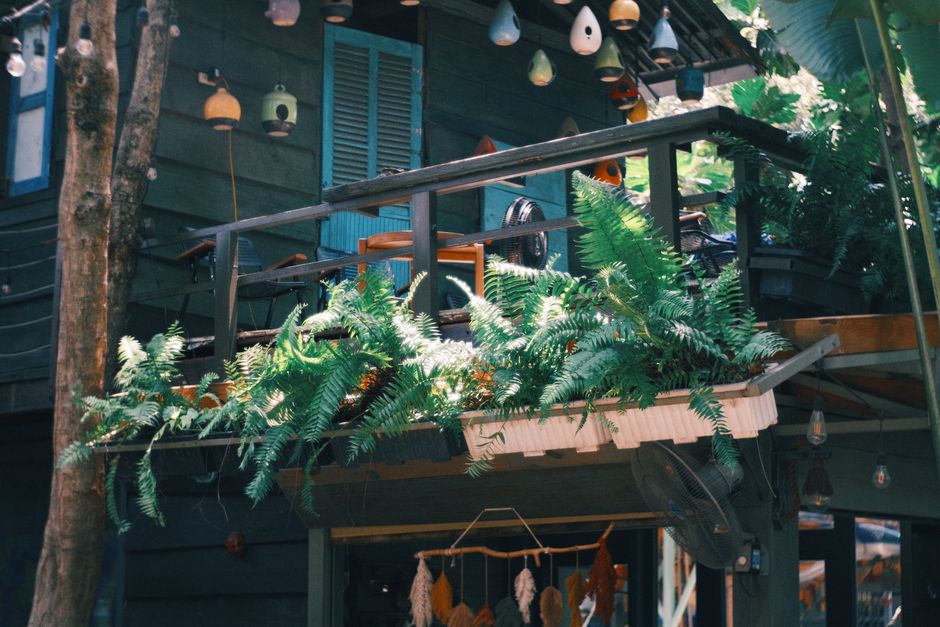
The Yard Hostel in Phuket does not just claim sustainability. It runs on solar power, composts all food waste, filters and bottles its own water, and builds furniture from reclaimed teak. A dorm bed costs 650–800 Thai baht ($18–$22) depending on season. That is within the $25 budget.
What makes it different: the owner, a Thai architect, designed the entire property around a central garden. The hostel grows its own herbs and vegetables. Breakfast comes from a local market less than one kilometer away. The staff can tell you exactly where your waste goes. That level of transparency is rare.
If you are in southern Thailand and want a hostel that is actually doing the work, this is the pick. Book a garden-facing dorm pod, not the roadside one — the noise difference is significant.
Lub d Bangkok: Where Eco Meets Convenience
Lub d Bangkok Siam is the best eco-hostel for first-time Southeast Asia travelers. It is not the greenest property in the region, but it is the most consistent. The hostel has eliminated single-use plastics, installed filtered water stations on every floor, and runs a proper recycling program with a local partner. A dorm bed runs 450–650 baht ($12–$18).
The tradeoff: Lub d is a larger, more commercial operation. You will not get the intimate, community feel of The Yard. What you get is reliability. The location near BTS National Stadium is excellent. The beds are comfortable. The water refill stations actually work. For a traveler who wants eco practices without sacrificing convenience, this is the best option in Bangkok.
One failure mode to avoid: booking the “eco room” upgrade. It is a marketing upsell. The standard dorm already includes all the eco features. The upgrade just adds a bamboo toothbrush and a tote bag. Not worth the extra 150 baht.
Vietnam’s Eco-Hostel Scene: Mostly Greenwashing
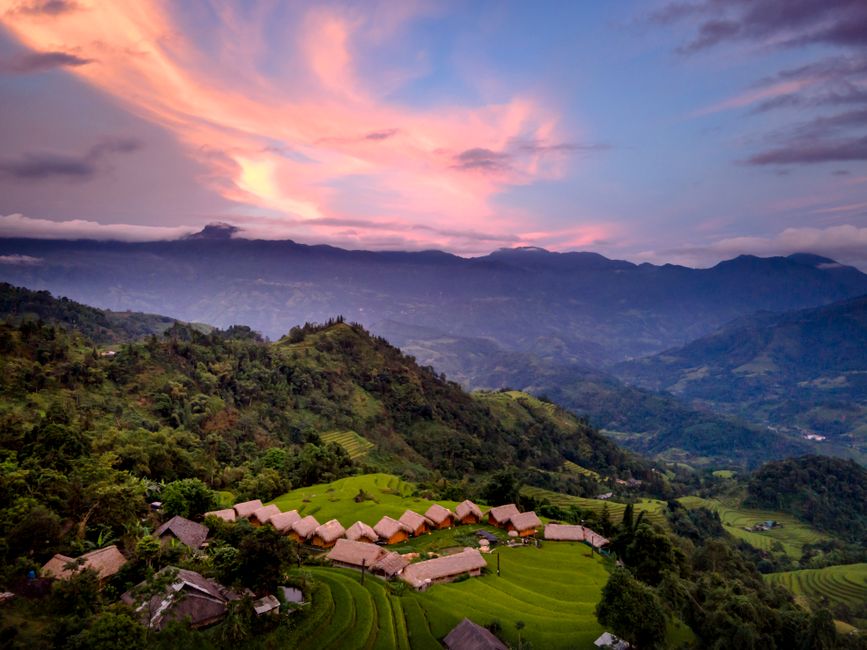
Vietnam is the weakest link in Southeast Asia’s eco-hostel market. Most hostels in Hanoi and Ho Chi Minh City that market themselves as “eco” are doing very little. A recycling bin in the lobby and a sign asking you to reuse towels is not sustainability.
There are exceptions. Old Quarter View Hanoi Hostel has shifted to refillable bathroom products and sources breakfast from local vendors. Saigon Eco Hostel in Ho Chi Minh City runs a small rooftop garden and has eliminated plastic bottles. But neither is doing what The Yard or Lub d are doing. If eco practices are your top priority, Vietnam is not the place to focus your budget.
The honest advice: in Vietnam, your money goes further at a family-run guesthouse. A $12 private room in a homestay in Phong Nha or Ninh Binh supports a local family directly. That is arguably more sustainable than staying at a hostel with a green logo and a recycling bin.
Bali’s Green Hostels: The Best and Worst of the Region
Bali has the most eco-hostels and the most greenwashing. For every genuinely sustainable property, there are three that put a bamboo sign out front and call it a day. The trick is knowing which is which.
The genuine pick: Puri Garden Hotel & Hostel in Ubud. A dorm bed costs 250,000–350,000 IDR ($16–$22). The property has a permaculture garden, a waste sorting system, and a policy of no single-use plastics anywhere on site. Yoga classes are included. The owners are Balinese, not foreign investors, which matters for where the money goes.
The avoid list: several hostels in Canggu market themselves as “eco surf retreats” but run diesel generators and import all their food. If a Bali hostel cannot tell you where its water comes from or where its waste goes, do not trust the eco label. Ask two questions: “Do you have a greywater system?” and “Where does your food come from?” If the staff cannot answer both, move on.
How to Vet an Eco-Hostel Before You Book
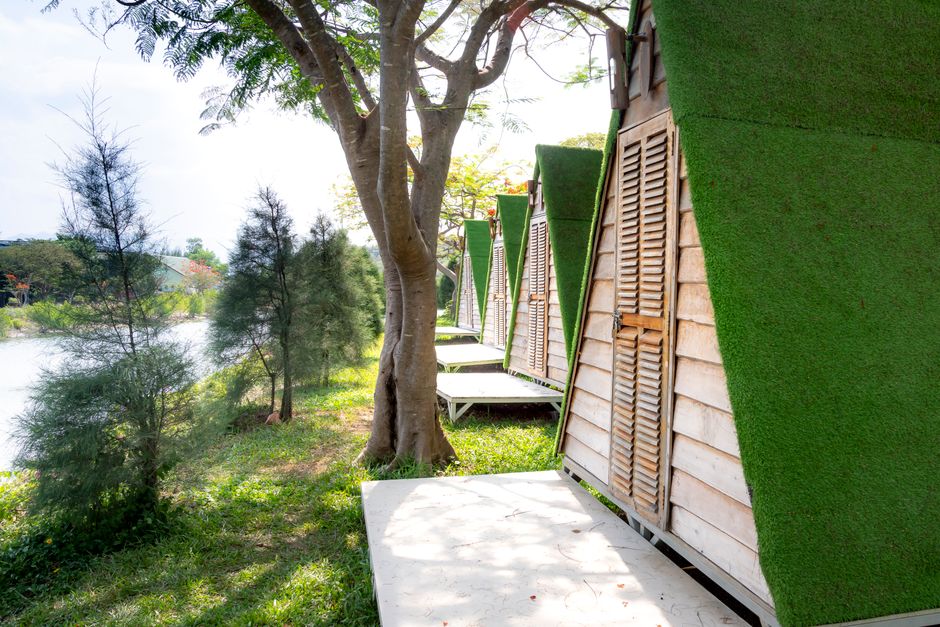
You do not need to be a sustainability auditor to spot greenwashing. Five checks will filter out most fake eco-hostels.
- Look for specific claims, not vague ones. “We care about the environment” means nothing. “We compost 100% of food waste and use solar hot water” means something. If the hostel website lists concrete practices with numbers, that is a good sign.
- Check the photos. Real eco-hostels show their waste systems, gardens, and water refill stations. If the photos are all pool shots and smoothie bowls, the eco claim is probably marketing.
- Read recent reviews for eco mentions. Guests who care about sustainability will mention it. Search reviews for “plastic,” “water refill,” “compost,” and “solar.” If no guest mentions these in the last six months, the practices are not visible or not real.
- Ask about the greywater system. This is the single best test. A hostel that actually treats its wastewater can tell you how. A hostel that cannot answer the question is not doing the work.
- Check ownership. Locally owned hostels keep money in the community. Foreign-owned hostels can be sustainable, but the bar for proof should be higher. Look for local ownership as a default.
One more thing: do not confuse “eco” with “rustic.” A hostel without air conditioning is not automatically eco-friendly. It might just be cheap. Real eco-hostels invest in systems — solar, water treatment, waste management — that cost money. That is why the eco premium exists. If a hostel is both “eco” and the cheapest option in town, something is being sacrificed, usually the environment.
The category is moving in the right direction. Five years ago, almost no hostels in Southeast Asia had solar water heating or proper waste sorting. Now the good ones do. But the gap between genuine operators and greenwashers is still wide. The travelers who ask the right questions are the ones closing it.