Travel Apps For Europe: Europe Travel Apps: The 7 Tools I Actually Use to Cut Costs
You land in Berlin. Your phone has 4% battery. You have no data plan. You need to get to your hostel in Kreuzberg, but the taxi line is 40 minutes long and you don’t speak German. This is the moment travel apps either save your trip or become useless weight on your home screen.
I’ve spent the last three years crossing Europe by train, bus, and budget airline. I’ve downloaded dozens of apps. Most got deleted within a week. The seven below stayed. They solve specific, recurring problems: finding the cheapest route, booking without getting ripped off, navigating public transit, and staying connected without paying $15/day in roaming fees.
This is not a list of “cool apps to try.” It’s the stack I actually open when I’m standing on a platform in Munich trying to figure out if the 18:47 regional train is delayed.
The Route Planners: Rome2Rio vs. Omio vs. Google Maps
Most travelers default to Google Maps for everything. That’s a mistake for intercity travel. Google Maps is excellent for walking directions and local transit within a city. It is mediocre at showing you the cheapest way to get from Amsterdam to Prague on a Tuesday afternoon.
Rome2Rio is the best first step for any multi-leg journey. Type in your origin and destination, and it shows you every option: flights, trains, buses, ferries, even driving. The key value is discovery. It surfaces routes you didn’t know existed, like the overnight ferry from Stockholm to Helsinki that costs less than a hostel and saves you a night of accommodation.
Omio is where you go to actually book. It aggregates trains, buses, and flights across Europe. The interface is cleaner than Rome2Rio’s, and the prices are usually identical to booking direct. The catch: Omio adds a small service fee on some bookings. I’ve seen it range from €1.50 to €4.00 depending on the route. For that fee, you get a single app that handles Deutsche Bahn, Renfe, Trenitalia, and SNCF without creating four separate accounts.
Google Maps remains king for one thing: local transit in cities. The live departure times for the U-Bahn in Berlin or the metro in Paris are accurate. But Google Maps often misses budget bus options like FlixBus or regional trains that don’t run on major rail lines.
When to Skip the Aggregator
If you’re booking a high-speed train like the TGV or the Frecciarossa, book directly through the operator’s app. DB Navigator (Deutsche Bahn’s app) is the single most useful rail app in Europe, even if you never set foot in Germany. It shows real-time delays for nearly every train in Europe, including trains operated by other companies. If your train is late, DB Navigator knows before the platform board updates.
Aggregators add a layer of customer service friction when things go wrong. If your train is cancelled, you want to be dealing with the operator directly, not a middleman’s support chat.
The Data Problem: Why Your Home Carrier Is Ripping You Off

Your US carrier charges $10 to $15 per day for international roaming. A 10-day trip to Europe means $100 to $150 in data fees before you’ve spent a single euro on food. That is absurd.
Airalo sells eSIM data plans for Europe at a fraction of that cost. A 10GB plan valid for 30 days across 39 European countries costs around $37. That’s the same as three days of Verizon roaming. The setup takes five minutes: you buy the eSIM in the app, install it, and activate it when you land. Your physical SIM stays in for calls and texts if you need them.
The tradeoff: Airalo is data-only. You don’t get a European phone number. For most travelers, that’s fine. You’ll use WhatsApp, FaceTime, or Signal for calls anyway. But if you need to call a local restaurant or a taxi dispatch, you’re out of luck unless you have a secondary option.
My pick: Airalo for pure data. If you need a full European number, Orange Travel sells physical SIMs with data, calls, and texts for around €20 to €40, but you’ll need to find a store or have it shipped before you leave.
The Payment Stack: Wise Beats Your Bank Card
Your bank charges a 3% foreign transaction fee on every purchase. That’s €3 on a €100 dinner. Over two weeks, you’re losing €50 to €100 in fees alone. Then there’s the ATM fee: your bank charges $5, the European ATM charges €3, and the exchange rate is padded by 2%.
Wise (formerly TransferWise) is the answer. It’s a multi-currency account that lets you hold euros, pounds, and dozens of other currencies. You convert money at the mid-market rate (the real rate you see on Google) and pay a small, transparent fee (usually 0.35% to 0.5%). You get a physical debit card that works in any European ATM or card terminal.
The killer feature: you can hold euros in the account and spend directly in euros. No conversion fee at the point of sale. When you withdraw cash from an ATM, Wise gives you two free withdrawals per month up to €200, then charges a small fee after that.
I’ve used Wise across 20+ European countries. It works everywhere I’ve tried it, from contactless terminals in Copenhagen to small bakeries in rural Portugal. The only failure mode is if you lose the card — getting a replacement shipped to a hostel in Albania takes days. Carry a backup card.
What About Revolut?
Revolut is the other big name in this space. It offers similar features: multi-currency accounts, a physical card, low conversion fees. The difference is in the details. Revolut’s free plan has weekend conversion markups (usually 1% on Saturdays and Sundays). Wise charges the same rate every day. For most travelers, Wise is the more predictable option. Revolut’s premium plans add travel insurance, but the value depends on how often you travel.
The Bus Network: FlixBus Is Not Glamorous, But It’s Cheap

FlixBus is the Ryanair of ground transport. The seats are cramped. The Wi-Fi is unreliable. The bathrooms are sometimes out of order. But a ticket from Berlin to Paris costs €29.99, and the same route by train costs €89.00.
For budget travel, FlixBus is the single most useful app on this list. It covers nearly every country in Europe, including places trains don’t reach efficiently. The app shows real-time bus locations, so you know if the bus is running late before you leave the hostel.
The failure mode: FlixBus stops are often in inconvenient locations. In Paris, the FlixBus stop is at Bercy Seine, which is a 30-minute metro ride from the city center. In Rome, it’s at Tiburtina station, which is well-connected but not central. Factor in the cost and time of getting to the bus station before you book.
My rule: if the train is less than 1.5x the cost of the bus, take the train. The comfort difference is worth it. If the train is 2x or more, take the bus and buy a better meal with the savings.
The Offline Problem: What Happens When You Have No Signal
You’re in the Dolomites. There’s no cell service. You need to find the trailhead for the Tre Cime loop. This is where most apps fail completely.
Google Maps has an offline mode. Download the map region before you leave Wi-Fi, and you can navigate without data. The limitation: offline maps don’t include public transit directions or live traffic. You get walking and driving directions only.
Maps.me is the better offline option for hikers and rural travelers. It’s based on OpenStreetMap data, which often includes hiking trails and small paths that Google Maps ignores. The app is free and allows unlimited offline downloads. The tradeoff: the interface is clunkier, and search is less forgiving with misspellings.
My pick: download both. Google Maps for city navigation, Maps.me for rural and hiking routes. Storage is cheap. Getting lost in the mountains is not.
Language Barriers: Translation Apps That Actually Work
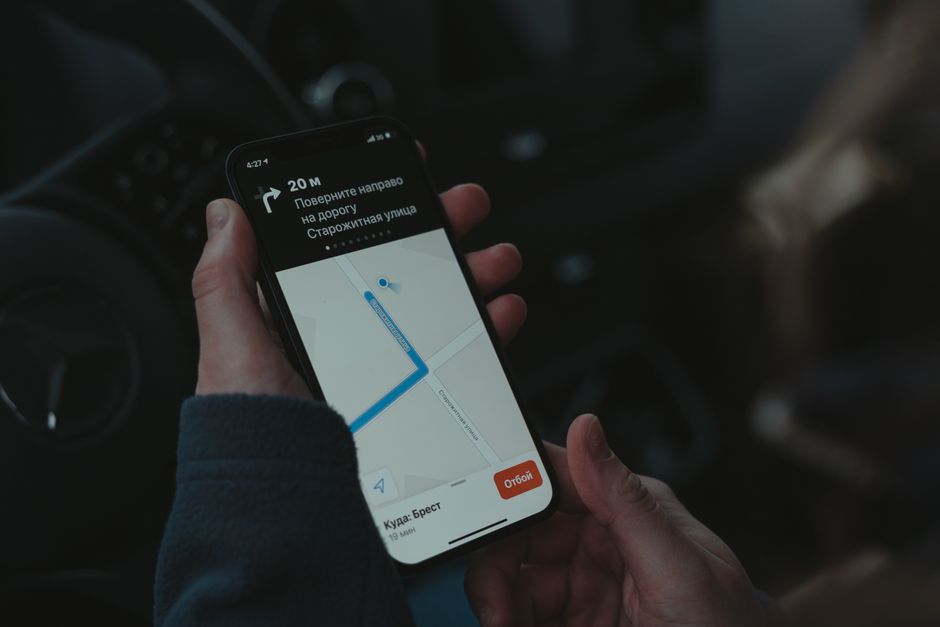
Google Translate is the default. It works. The camera translation feature — point your phone at a menu or a sign and see the translation overlaid in real time — is genuinely useful. The conversation mode, where you speak and it translates both sides, is passable for simple interactions.
The limitation: Google Translate struggles with nuance. In a restaurant, asking “What do you recommend?” translates literally but may come across as abrupt. For quick vocabulary, it’s fine. For anything nuanced, use a human.
DeepL is the better translation engine for European languages. It produces more natural, idiomatic translations, especially for German, French, and Spanish. The app is free for basic use. The catch: DeepL doesn’t have a camera translation feature, so it’s less useful for menus and signs. Use DeepL for writing emails or messages, Google Translate for visual translation.
When to Put the Phone Down
Apps are tools, not travel agents. The best meal I had in Lisbon was at a restaurant with no online presence, recommended by the owner of a corner store. The best hiking trail in the Pyrenees was one I found by walking past a faded signpost and following it.
Here’s the thing: apps optimize for efficiency. They show you the most-booked hotel, the highest-rated restaurant, the fastest route. They don’t show you the quiet plaza where old men play cards, or the bakery that’s been run by the same family for 80 years.
Use the apps to solve logistical problems: booking a train, finding a bus, paying without fees, staying connected. Then put the phone in your pocket and walk. The app can’t tell you which street feels right.
| App | Best For | Cost | Key Limitation |
|---|---|---|---|
| Rome2Rio | Discovering route options | Free | Cluttered interface, no direct booking |
| Omio | Booking trains, buses, flights | Free + service fee | Fee on some bookings, slower support |
| DB Navigator | Real-time train delays across Europe | Free | German-centric interface |
| Airalo | Cheap data eSIM | $37 for 10GB/30 days | Data only, no phone number |
| Wise | Low-fee spending and ATM withdrawals | Free account, small conversion fee | Card replacement is slow |
| FlixBus | Cheapest intercity ground transport | From €5 | Uncomfortable seats, remote stops |
| Maps.me | Offline hiking and rural navigation | Free | Clunky search, less accurate in cities |