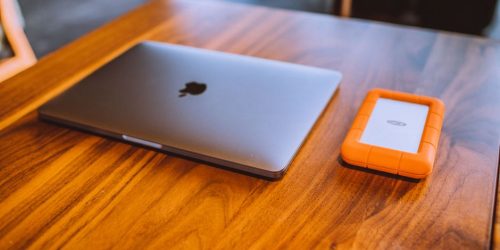
Plan Road Power Stops Before The Scenic Detour
A good road trip rarely follows the neat line on the map. The better lunch stop is ten miles off the highway, the overlook takes longer than expected, and the cabin host assumes you already know how unreliable the outlet near the porch is. That is exactly when the unglamorous part of travel planning matters: how the phones, fridge, lights, camera batteries, and route apps stay alive after the easy power disappears.
Dakota Lithium sits in that practical corner of travel gear. It is not a suitcase, a hotel trick, or another packing cube. It is the kind of power setup that starts to make sense when the trip includes a van, trailer, fishing stop, overland route, or long drive where the best view is not beside a charging station. The brand focuses on LiFePO4 batteries, portable power stations, solar pieces, marine batteries, RV power, and off-grid setups that are designed for repeated use rather than one emergency top-up.
Start With The Route, Not The Battery
The easiest mistake is shopping by the biggest number on the product page. A cleaner approach is to write down the trip first. Will the cooler run while parked? Are you charging camera batteries overnight? Does the van have a fridge, fan, Starlink, induction plate, or heated blanket? Will the trip include a powered campground every night, or are there two quiet nights in between?
Once the route is clear, the battery choice becomes less abstract. A short weekend with phones and lights is different from a seven-day loop with a fridge and laptop. A boat morning has different power needs than a mountain pullout. This is where Dakota Lithium’s range is useful: the catalog includes portable stations for plug-and-play travel and deep cycle batteries for more permanent vehicle, RV, marine, and solar builds.
One-night stop
Phones, headlamps, camera batteries, small speaker, route app backups.
Phones, headlamps, camera batteries, small speaker, route app backups.
Long weekend
Cooler, lights, laptop, small fan, drone packs, camp kitchen odds and ends.
Cooler, lights, laptop, small fan, drone packs, camp kitchen odds and ends.
Built-out rig
Fridge, inverter, solar input, multiple devices, repeated off-grid nights.
Fridge, inverter, solar input, multiple devices, repeated off-grid nights.
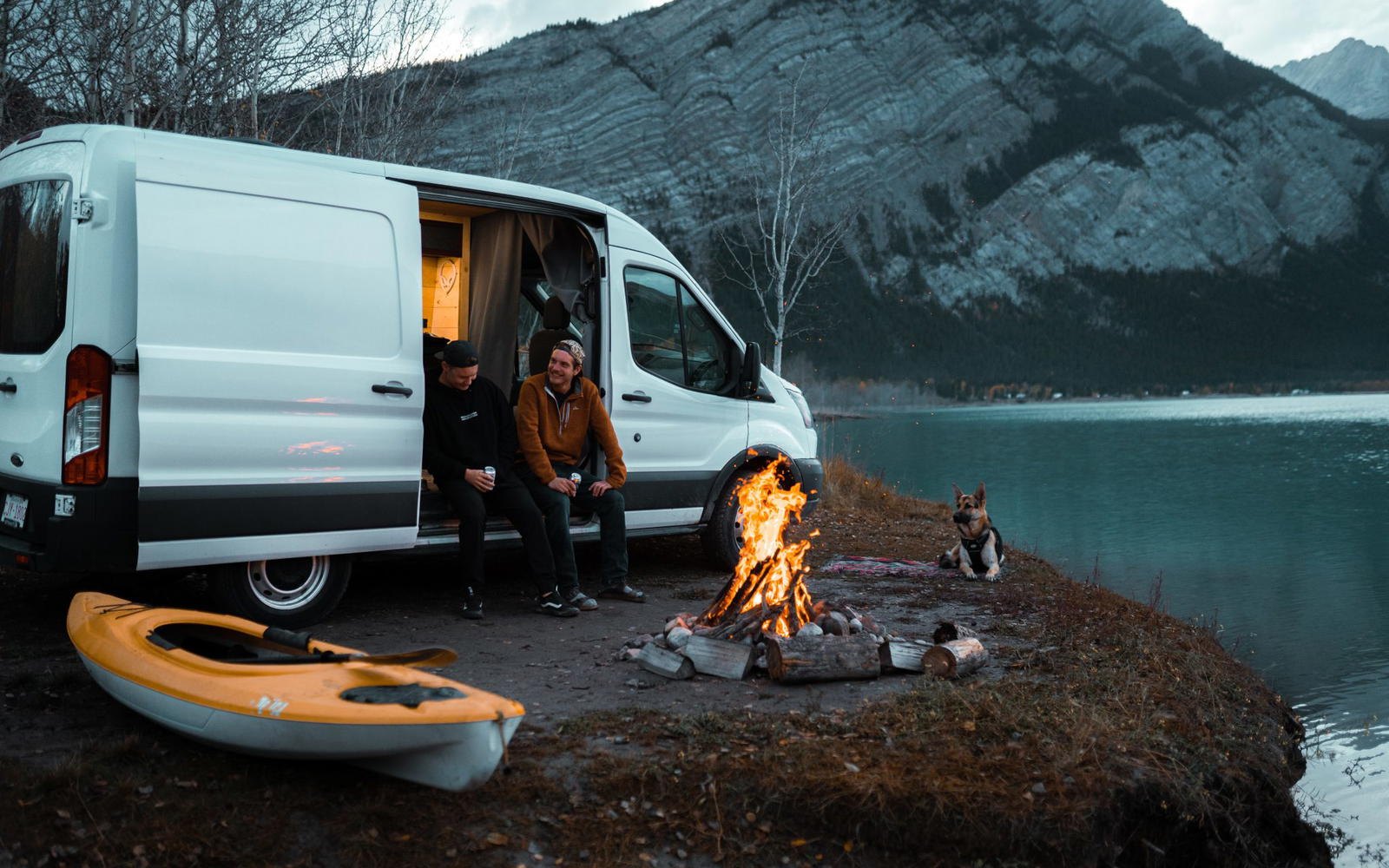
Why Lithium Matters On A Moving Trip
Traditional batteries can be heavy, slow to charge, and awkward when space is tight. Lithium iron phosphate batteries are popular with travelers because they can offer usable capacity with less weight, steady output, and a long cycle life when matched with the right charger and setup. That matters in small vehicles. Every pound that goes into power is a pound that is not going into water, food, camera gear, or the extra fleece you always pretend you will not need.
There is also a planning benefit. A good lithium setup makes power feel more measurable. Instead of hoping the car outlet is enough, you can think in terms of daily draw, recharge windows, solar conditions, and what needs to run overnight. This is not about turning a vacation into a spreadsheet. It is about removing the little battery panic that tends to show up just as the light gets good.
The Portable Station Option
For travelers who do not want to rewire a vehicle, a portable power station is the friendly starting point. Dakota Lithium’s PS2400 is the kind of product that makes sense for cabin weekends, camera-heavy road trips, mobile work, emergency backup, or a family car camp where several people are quietly draining devices at once. It can sit in the vehicle during the day and move into the cabin or tent area when the group settles in.
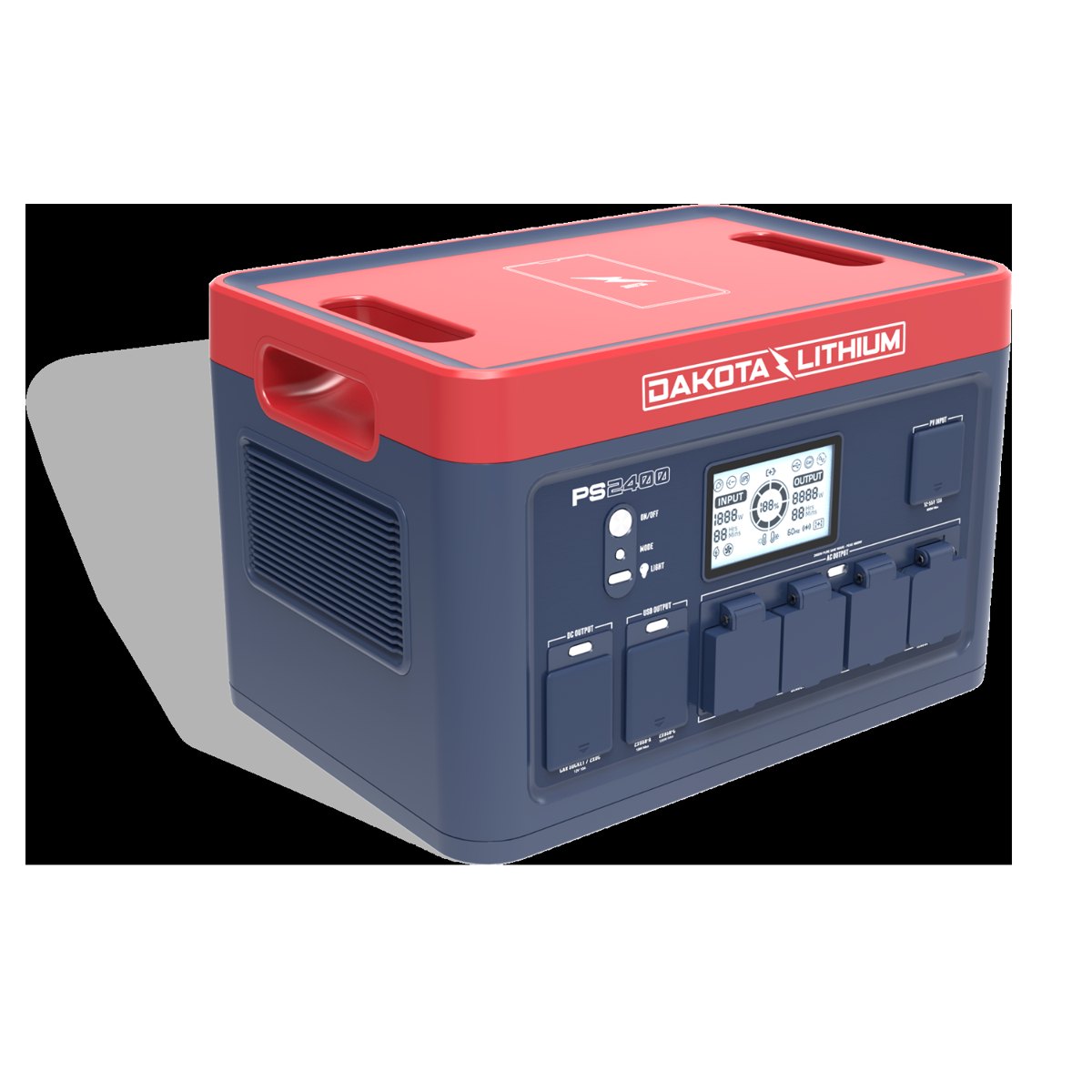
That portability changes how you pack. A power station can live beside the cooler, under a table, or near the camera bag. It can support the things that make a trip calmer: recharging phones overnight, running a laptop without hunting for a cafe, keeping small essentials topped up, and giving the group one shared power base instead of a mess of wall plugs.
What To Check Before Buying
Match the product to your actual travel habits. Check the output ports, total capacity, compatible chargers, expected recharge time, weight, and whether you need a simple portable station or a deeper RV or marine battery setup. If solar is part of the plan, look at the solar input and panel compatibility instead of assuming every panel and battery combination will behave the same way.
A useful test: list everything you expect to charge or run during one off-grid day, then add the one device you always forget. That usually gives a more honest picture than choosing based on the cleanest product photo.
Where It Fits A Sliptravel Reader
For a hotel-only city break, this is probably more power than you need. For a road trip with scenic detours, a van rental, a fishing weekend, a remote cabin, or a camping loop, it becomes much more relevant. It supports the kind of travel where the best part of the day happens after the map gets less convenient.
Dakota Lithium is worth browsing if your trips are starting to outgrow small power banks. The right setup can make longer stops easier, reduce cable chaos, and give you more freedom to say yes to the road that does not promise an outlet at the end.