The Quiet Power Map For Off-Grid Travel Days
The best campsites tend to be quiet for a reason. They are past the last bright fuel station, beyond the reliable cafe outlet, and just far enough from town that nobody is accidentally passing through. That quiet is the point. It also means the power plan has to be settled before the cooler is packed and the first gravel road appears.
Dakota Lithium is useful for this kind of travel because its products are built around the realities of marine, RV, solar, fishing, vehicle, and off-grid power. The appeal is not only longer battery life. It is the calmer feeling of knowing which items can run, which can wait, and how the system will recover before the next stop.
Think In Small Systems
A weekend outdoors does not need to become a technical project. Still, it helps to think in systems rather than gadgets. A phone power bank solves one problem. A lithium battery or portable power station can support the whole rhythm of a stay: fridge or cooler, light, fan, camera, laptop, GPS, small pump, radio, and the everyday devices people pretend they are not using.
The question is not whether every traveler needs a large power setup. Many do not. The better question is whether your current trips are limited by power. If you leave early because devices are low, avoid a campsite because there is no hookup, or keep the vehicle running just to charge basics, the power system is already shaping the trip.
A simple off-grid check
Before choosing gear, write down what must run overnight, what only needs a recharge, and what can be turned off completely. That separation keeps the kit practical and avoids buying capacity for devices that are not actually important.
Where Solar Starts To Make Sense
Solar is not magic, and it is not always fast. It is most useful when the trip has daylight downtime: a lake day, a slow morning at camp, a long lunch stop, or a vehicle parked in one place while everyone is out walking. In those moments, a compatible solar panel can turn stillness into recovery time for the power system.
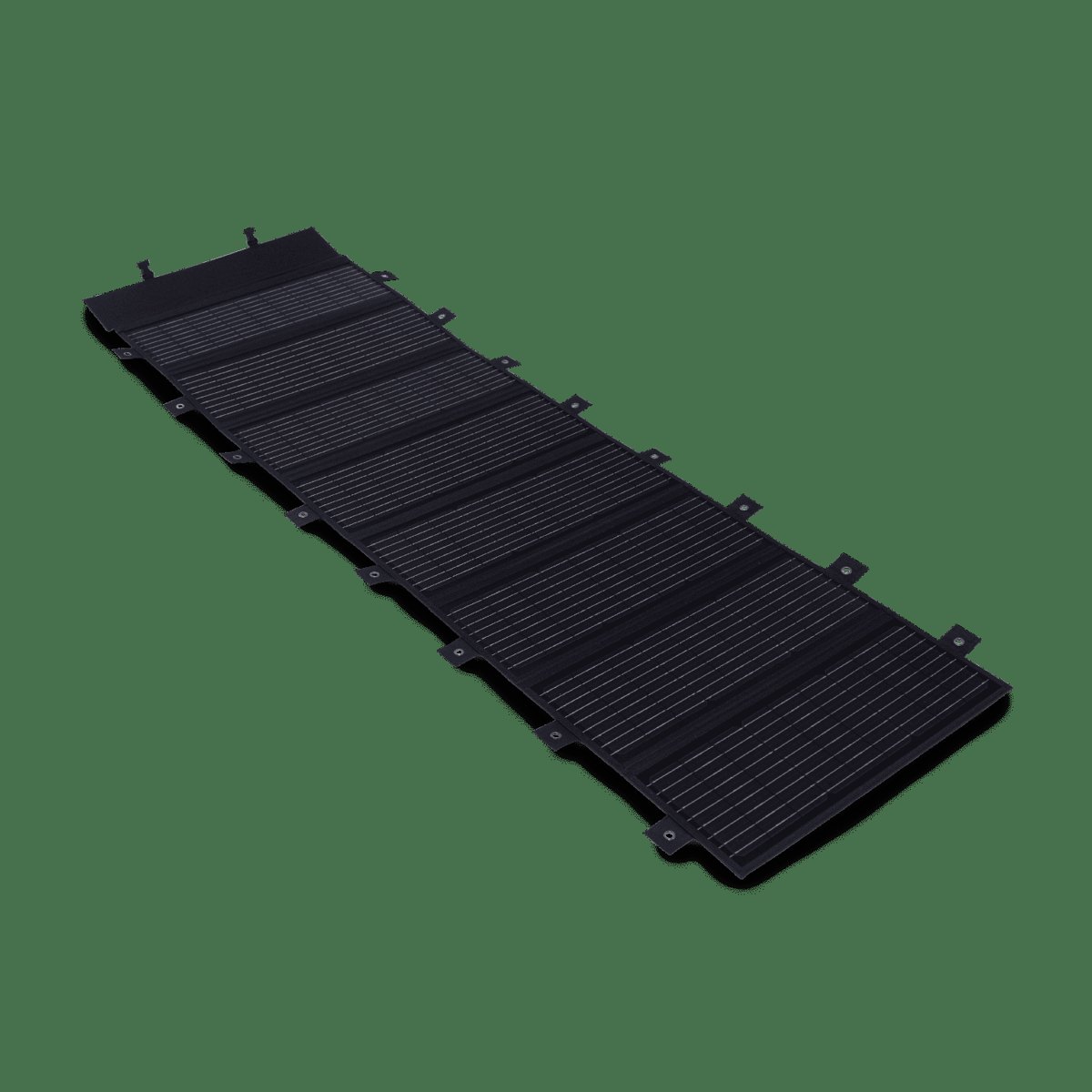
Dakota Lithium offers folding solar panel options alongside batteries and power stations, which makes the planning more coherent than mixing random pieces from different corners of the internet. Travelers still need to check compatibility, input limits, weather, panel angle, and expected sunlight. But when the pieces are chosen together, the setup is easier to trust.
- List essential loads. Fridge, lighting, camera charging, navigation, and communication come before comfort extras.
- Estimate the longest gap. Count the hours or days between reliable plug-in charging opportunities.
- Choose the recharge method. Vehicle charging, wall charging, solar, or a combination will change the right battery choice.
- Keep the setup movable. A travel system should be easy to load, protect from weather, and access without unpacking the whole vehicle.
Not Just For Hardcore Overlanding
The gear may look rugged, but the use case is broader than extreme trips. A family cabin weekend, a photographer’s coastal drive, a fishing morning, or a small van route can all benefit from reliable lithium power. The value is often in the ordinary moments: keeping the cooler cold, charging the headlamps, running a small fan, or letting someone finish work without driving back into town.
For sliptravel readers, the fit is especially clear when the itinerary blends movement and stillness. A city guide can assume outlets. A remote beach, a lake pullout, a national forest road, or a no-frills cabin cannot. That is where a planned battery setup stops feeling like gear collecting and starts feeling like good travel hygiene.
What To Browse First
If you want a flexible starting point, look at Dakota Lithium’s portable power stations and Powerbox options. If you already have a boat, RV, van, trolling motor, or solar build, the deep cycle battery categories may be more relevant. The point is to match the gear to the trip rather than buying the most dramatic option.
Good off-grid travel is not about bringing the comforts of home everywhere. It is about bringing just enough dependable power that you can stay longer, move slower, and enjoy the quiet place without turning every low battery into a decision.