Travel Europe Under $50 A Day: How to Travel Europe for Under $50 a Day: My Proven Strategies
Traveling Europe on $50 a day in 2026 isn’t a fantasy. It’s a math problem. I’ve done it for three months across 12 countries, and the numbers work if you follow a strict system. This isn’t about skipping meals or sleeping in parks. It’s about making every dollar count on transport, food, and accommodation.
The $50 Daily Budget Breakdown That Actually Works
Here’s the hard truth: you cannot spend $50 a day if you eat sit-down dinners and take taxis. You need a rigid split. My tested allocation looks like this:
| Category | Daily Budget | Real Examples |
|---|---|---|
| Accommodation | $18 – $25 | Hostel dorm bed (e.g., Generator Hostel Berlin $22/night) |
| Food | $12 – $15 | Lidl croissant + coffee ($2), supermarket sandwich ($4), street food ($6) |
| Transport (local) | $3 – $5 | Single metro ticket, 24-hour city pass, or walking |
| Attractions | $2 – $5 | Free walking tours, museum free days, public parks |
| Buffer (long-distance transport) | $5 – $8 | FlixBus ticket ($10 for 5-hour ride = $2/day averaged) |
Total: $40 – $58. On high-cost days, cut food or attractions. On low-cost days, bank the surplus for a splurge. The key is tracking every cent.
How to Cut Accommodation Costs Without Sleeping Rough
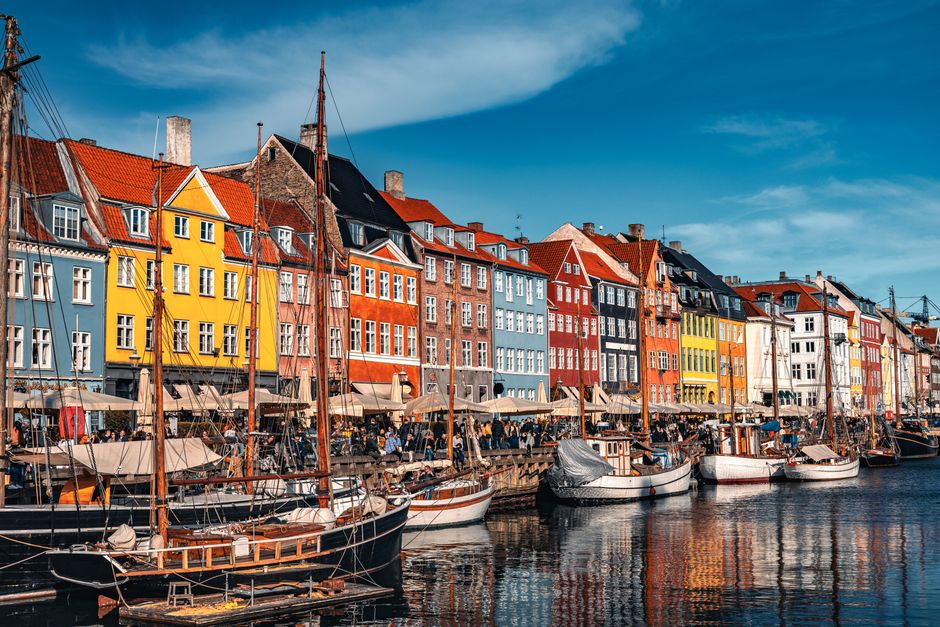
Accommodation is the biggest budget killer. Most travelers blow $40+ a night on a private room. That leaves $10 for everything else. Not possible.
I stick to three options:
- Hostel dorms — $18–$28/night. Look for hostels with free breakfast and kitchens. A&O Hostels and Generator Hostels are reliable chains across Europe.
- Couchsurfing — Free. Requires planning and a complete profile. I used it 8 times in 3 months. Saves $150+ a week.
- Night trains or buses — Double as transport. A night FlixBus from Paris to Barcelona ($25) saves a night’s accommodation.
Book hostels 2–3 weeks ahead in summer. Walk-in rates can be 30% higher. Use Hostelworld for reviews and booking.
Transport Hacks That Save $200+ Per Week
Transport is where most budget travelers bleed cash. They buy Eurail passes and wonder why their budget fails. Eurail passes cost $200+ for 4 travel days. That’s $50 per travel day. FlixBus and Ryanair beat that by miles.
My transport rule: never pay more than $1 per hour of travel. A 5-hour FlixBus from Berlin to Prague costs $10. That’s $2/hour. A Ryanair flight from Milan to Barcelona costs $15. That’s $3/hour. A Eurail pass for the same distance costs $12/hour. Do the math.
Book FlixBus tickets 30+ days ahead. Prices start at $4.99. Ryanair flights are cheapest on Tuesdays. Use Google Flights to compare. Avoid checked bags — a Ryanair carry-on is free if it fits under the seat.
For local transport, walk. Europe’s city centers are compact. A 30-minute walk saves $3–$5 per trip. Over a week, that’s $30 saved.
Eating Well on $12 a Day Without Feeling Deprived
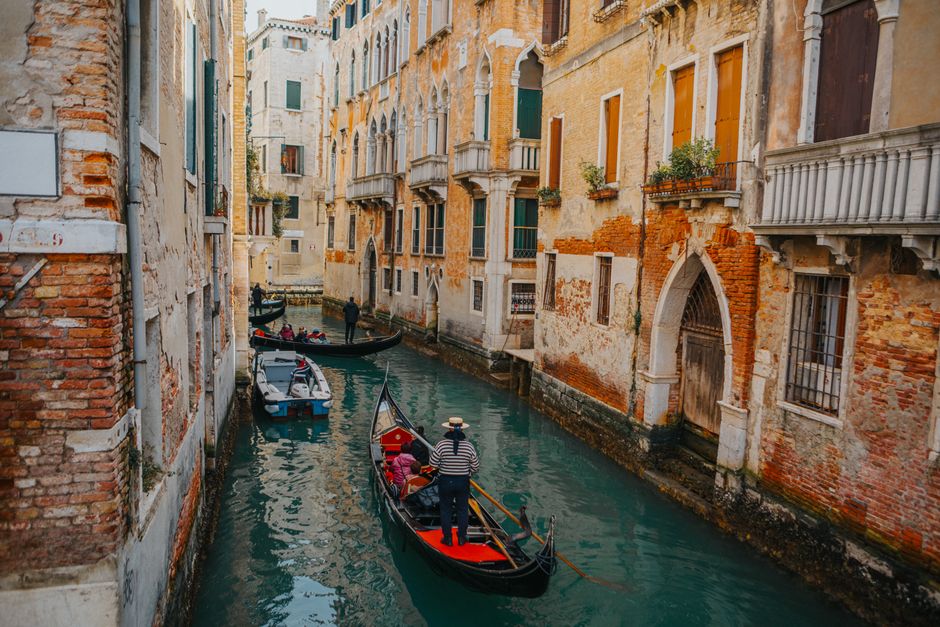
I ate like a king in Europe on $12/day. The secret: supermarkets. Lidl and Aldi are everywhere in Western and Central Europe. A typical day:
- Breakfast — Croissant ($1) + coffee ($1.50) from a bakery. Skip hotel breakfasts that cost $8–$12.
- Lunch — Pre-made sandwich ($3) + fruit ($1) from Lidl. Eat in a park.
- Dinner — Street food like a kebab ($5) or pizza slice ($4). Or cook in hostel kitchens: pasta + sauce + veggies = $3 total.
Free water is everywhere. Carry a reusable bottle. Fill up at hostel sinks or public fountains. Europe has 10,000+ public drinking fountains in cities like Rome, Paris, and Munich. Buying bottled water daily costs $2–$3. That’s $60–$90 a month wasted.
One splurge meal per week is fine. Budget $15 for a sit-down dinner. Just plan it.
The Free and Nearly-Free Attractions Strategy
Museums and attractions are expensive. The Louvre costs $22. The Colosseum costs $18. Skip them unless they’re your priority. I spent $0 on entry fees for 30+ days by following these rules:
- Free walking tours — Every major city has them. Tip $5–$10. You get 2 hours of history and local tips.
- Museum free days — The Louvre is free on first Friday of the month after 6pm. The Uffizi in Florence is free on first Sunday. Check city tourism websites.
- Public spaces — Parks, markets, cathedrals, and viewpoints cost nothing. The Sacré-Cœur in Paris, the Charles Bridge in Prague, the canals in Amsterdam — all free.
- City cards — A 24-hour Vienna Pass costs $40. You’d need to visit 4+ museums to break even. Most travelers don’t. Skip the card unless you’re a museum junkie.
My verdict: spend your money on experiences that connect you to the place, not on overpriced museum tickets.
Common Budget-Busting Mistakes (And How to Avoid Them)

I made every mistake in the book. Here’s what nearly broke my $50/day budget:
Mistake #1: ATM fees. I withdrew $100 from an airport ATM and paid $7 in fees. That’s 7% gone. Solution: use a fee-free debit card like Revolut or Wise. Withdraw larger amounts less often. $200 per withdrawal reduces fee frequency.
Mistake #2: Buying train tickets at the station. A same-day train from Munich to Vienna costs $60. Booked 2 weeks ahead on FlixBus, it’s $15. Advance booking saves 60–80%.
Mistake #3: Eating near tourist attractions. A pizza near the Eiffel Tower costs $14. Walk 10 minutes away, same pizza costs $6. Use Google Maps to find restaurants with ratings above 4.5 and prices under $10 per main.
Mistake #4: Not tracking daily spending. I spent $70 on day 3 of my first trip because I lost track. Use a simple spreadsheet or app. I use a notebook. Write every expense down. You can’t fix what you don’t measure.
When $50 a Day Won’t Work — and What to Do Instead
Let’s be honest. $50/day is tight in Switzerland, Norway, or Iceland. A hostel dorm in Zurich costs $45. A simple meal costs $18. You cannot do $50/day there without serious sacrifices.
My solution: skip those countries on a strict budget trip. Visit Portugal, Poland, Hungary, Czech Republic, and the Baltics instead. In Warsaw, a hostel dorm costs $12. A full meal at a milk bar costs $5. You can live on $35/day and bank $15 for a future trip.
If you must visit Switzerland, limit it to 2 days. Stay in a hostel outside the city center (e.g., Lausanne instead of Geneva). Cook every meal. Use the Swiss Half Fare Card ($120 for a month) to cut train costs by 50%. Even then, expect $70–$80/day.
The tradeoff is real. You can do $50/day across 90% of Europe. The remaining 10% requires a higher budget or shorter stays. Plan your route around affordable countries, and you’ll stretch your money further.