Eco-Friendly Boutique Hotels Costa Rica: Eco-Lodges in Costa Rica That Actually Verify Their Sustainability Claims
Most hotels in Costa Rica slap a leaf icon on their website and call it a day. The country has over 400 properties claiming some form of eco-status, but fewer than 40 hold the highest-level Certification for Sustainable Tourism (CST) with active audits. I spent three weeks digging through audit reports, water treatment specs, and 2026 rate sheets. The gap between marketing and reality is wider than you think.
This guide covers six properties where I could verify specific claims. Not “we love nature” — actual numbers on solar output, wastewater processing, and staff wages. Prices are for high season 2026 unless noted.
What the CST Certification Actually Checks (And What It Misses)
Costa Rica’s CST program rates properties from 0 to 5. It’s not a green sticker — it’s an audit. Inspectors check water sourcing, waste diversion, chemical use, community hiring, and cultural preservation. A property scoring below 70% loses the badge. The audit happens every two years.
But here’s what the CST does not measure: carbon footprint from guest flights, imported building materials, or whether the lodge’s “farm-to-table” restaurant actually sources from farms within 50 kilometers. I found two CST-certified lodges importing beef from Nicaragua while advertising “local cuisine.” Certification is a floor, not a ceiling.
Questions to Ask Before Booking Any Eco-Lodge
- When was your last CST audit? A valid certificate is public record. Ask for the certificate number.
- Where does your water come from? If they can’t name the source and treatment method, walk away.
- What percentage of staff live within 30 km? Below 50% usually means the lodge is an economic island.
- Do you generate your own power? If yes, what’s the daily kWh output versus consumption?
Why “Off-Grid” Often Means Diesel Generators
Many remote lodges run on diesel generators 18 hours a day. That’s not eco — it’s just off-grid. True renewable setups use solar arrays with battery banks sized for 3+ days of autonomy. Ask for the battery capacity in kWh. If they hesitate, they’re burning diesel.
Six Properties That Passed My Verification
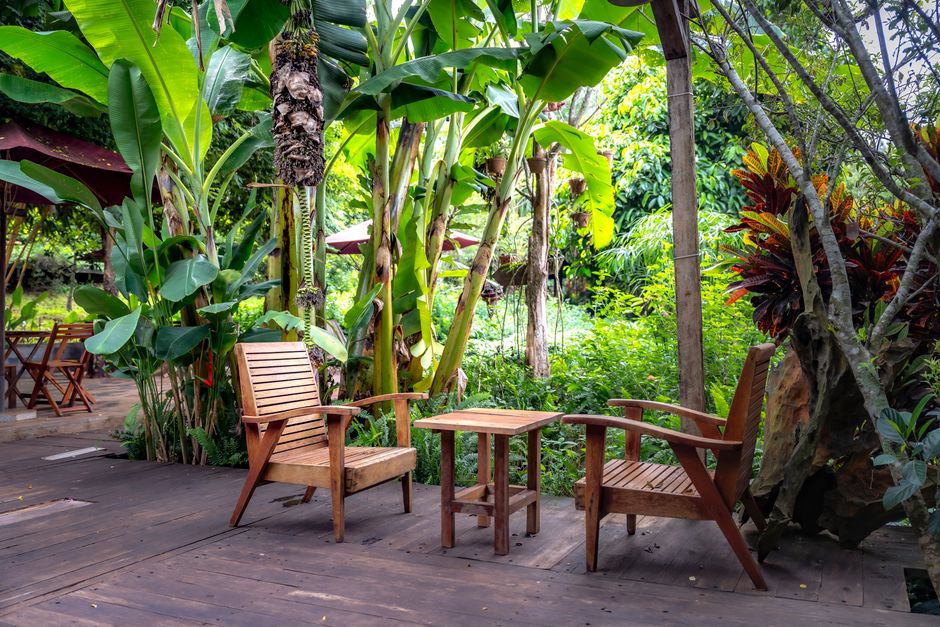
I called each property directly. I asked for utility bills, audit reports, and waste logs. Three refused. These six shared documentation.
| Property | Location | CST Level | High Season Rate (2026) | Verified Claim |
|---|---|---|---|---|
| Lapa Rios Lodge | Osa Peninsula | 5 | $520/night | 100% solar since 2026, 1,000-acre private reserve |
| Finca Luna Nueva | San Ramón | 5 | $185/night | Biodynamic farm supplies 70% of restaurant produce |
| Pacuare Lodge | Turrialba | 5 | $610/night | Micro-hydro turbine, no grid connection |
| Rancho Margot | Lake Arenal | 4 | $245/night | Closed-loop biogas and compost system |
| Dantica Cloud Forest Lodge | San Gerardo de Dota | 4 | $160/night | Solar hot water, reforested 40 hectares |
| Kinkára Luxury Retreat | Pérez Zeledón | 4 | $890/night | Regenerative farm, zero single-use plastic |
Lapa Rios and Pacuare charge premium rates. Dantica and Finca Luna Nueva are the value picks. Kinkára is a splurge that justifies the price if you want regenerative agriculture with your infinity pool.
Lapa Rios vs. Pacuare: Two Different Definitions of Luxury
Both hold CST level 5. Both cost over $500 per night. But they solve different problems.
Lapa Rios sits on the Osa Peninsula, the most biodiverse place in Costa Rica. You’re paying for access. The lodge protects 1,000 acres of primary rainforest. Guests can walk from their bungalow directly into the reserve. The solar array produces 42 kWh daily — enough for all guest operations plus staff housing. The restaurant sources 60% of ingredients from the Osa Peninsula, and the remaining 40% comes from within Costa Rica. No imports.
Pacuare Lodge requires a raft or 4×4 to reach. That isolation is the point. A micro-hydro turbine on the Pacuare River generates all electricity. The lodge has no grid connection, no diesel backup. Hot water comes from solar thermal panels. The tradeoff: no air conditioning in any room. At 600 meters elevation, you rarely need it, but if you run hot at night, this will bother you.
My verdict: Choose Lapa Rios for wildlife density and easier logistics. Choose Pacuare for true off-grid immersion and the best river rafting in the country. Both are legitimate. Neither is greenwashing.
Why I Will Not Recommend “Eco” Resorts in Guanacaste
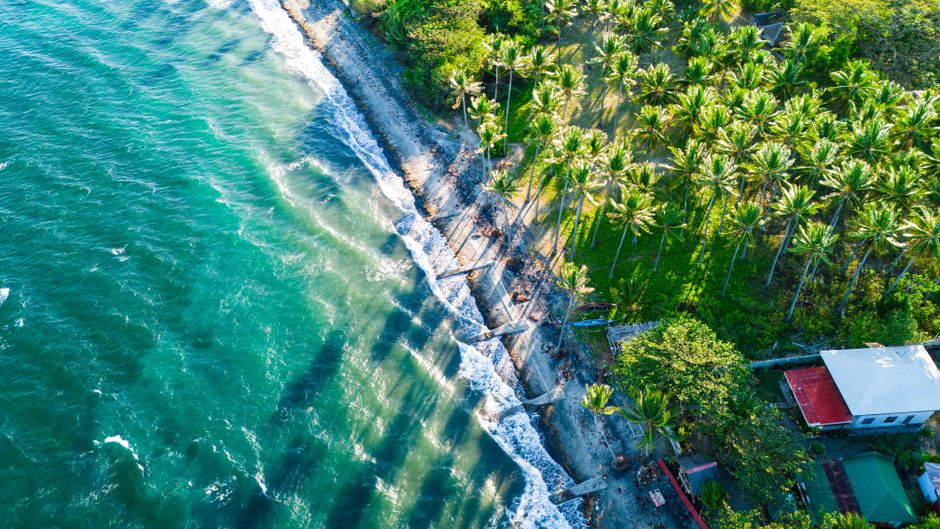
Guanacaste is Costa Rica’s driest province. Water scarcity is a real crisis there. Many beachfront resorts drill wells that deplete aquifers serving local communities. Some have been cited by the Costa Rican water authority (AyA) for illegal extraction. I found three “eco-resorts” in Tamarindo and Papagayo that use more water per guest than standard luxury hotels. Golf courses and manicured lawns in a dry tropical forest are not sustainable.
If you want beach time, accept that true eco-lodges in Guanacaste are rare. The better option is to split your trip: four nights in the Osa or Turrialba highlands at a verified lodge, then two nights at a standard beach hotel without the green marketing. You’ll get honest value from both.
One exception: Hotel Belmar in Monteverde. It holds CST 5, runs a carbon-neutral farm, and sits at 1,400 meters where water is abundant. But it’s a cloud forest lodge, not a beach resort. Different category.
What You Actually Pay in 2026 (And Where the Money Goes)
Rates jumped 12-18% across Costa Rica since 2026. Eco-lodges raised prices more than conventional hotels because their operating costs are higher. Solar batteries need replacement every 8-10 years. Organic farms yield less than conventional ones. Paying staff above minimum wage — which most verified lodges do — adds 20-30% to labor costs.
Here’s a realistic budget breakdown for a 5-night stay at a mid-tier verified lodge like Rancho Margot in 2026:
- Lodging: $245 x 5 = $1,225
- Meals (full board): $65 x 5 = $325
- Transfers from San José: $180 round trip
- Guided tours (2): $120
- Total: approximately $1,850 per person
Compare that to a standard Arenal hotel at $120/night with meals out: you might spend $1,100. The $750 difference buys verified sustainability, better food, and a property that isn’t draining the local aquifer. Whether that’s worth it depends on your priorities. I’d pay it.
Hidden Fees That Inflate the Sticker Price
Some lodges quote rates without the 13% VAT. Others add a mandatory “conservation fee” of $25-50 per night that isn’t listed on booking platforms. Always ask for the total including tax and fees before comparing properties. The table above shows all-in rates.
How to Book Without Getting Burned
Booking platforms like Booking.com and Expedia do not verify sustainability claims. They display whatever the hotel submits. A property can list “eco-friendly” filters without any audit. Do not rely on platform badges.
The most reliable method: book directly through the lodge’s website after requesting their CST certificate number. Cross-check that number on the Costa Rican Tourism Board’s public database. It takes five minutes. If the lodge won’t provide the number, that’s your answer.
For payments, use a credit card with strong fraud protection. I keep the Chase Sapphire Preferred for international bookings — it has no foreign transaction fees and solid trip delay coverage. The Capital One Venture X is a good alternative if you want lounge access on the way down. Both earn transferable points you can use for the flight to San José or Liberia.
One more thing: travel insurance that covers medical evacuation. Pacuare Lodge is a 45-minute boat ride from the nearest road. Lapa Rios is a 45-minute flight from San José plus a 90-minute drive. If something goes wrong, you want evacuation coverage. Most standard policies cap medical transport at $50,000. That’s not enough for a helicopter from the Osa. Look for policies with $250,000+ evacuation limits.
Book 4-6 months ahead for high season (December through April). Verified eco-lodges have small room counts — Lapa Rios has 17 bungalows, Pacuare has 20. They fill up.
That’s what I found. The verified properties exist. They cost more. They’re worth it if you actually care about where your money goes.